Five-and-a-half-years on from the Grenfell fire, survivors talk exclusively to Danielle Aumord about their hopes and fears for the future and whether, now that the public inquiry has ended, the loss of 72 lives will result in meaningful change to safety issues in high-rise towers and the way that social housing tenants are treated.
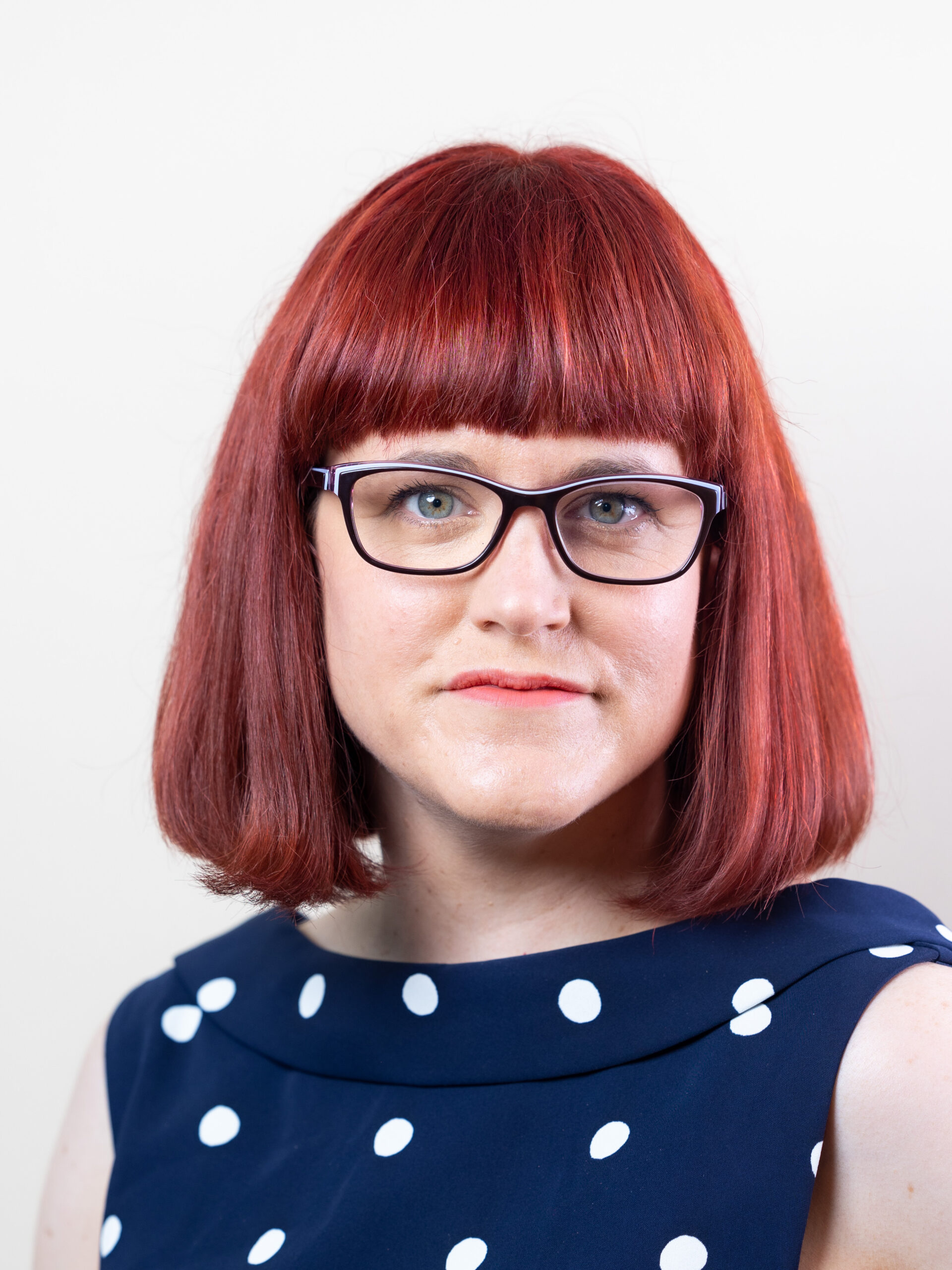
Emma O’Connor
I’m a disabled survivor of the Grenfell fire and I can still remember that night like it was yesterday. We heard sirens just after 1am and my partner Luke saw the fourth floor reflected in the windows of the school next door. The flames were getting bigger and bigger. When another fire engine arrived, we knew we had to get out.
Out on the landing, smoke was already coming up through the vents. I have arthritis and I knew that there was no way I’d be able to make it down 20 flights of stairs, so we ignored safety advice and went straight for the one lift that was working. We were moving on adrenalin so we didn’t think about whether we’d be trapped. There was no other escape route for me.
I was furious to find out at the Grenfell Inquiry, that the Kensington and Chelsea Tenant Management Organisation (KCTMO) failed to prepare evacuation plans for disabled residents in the block. My neighbour Ed Daffarn described them as institutionally indifferent.
I feel extremely lucky that one lift was working that night as I probably wouldn’t be there if it wasn’t. I’ve since been diagnosed with post-traumatic stress disorder but I’ve been told that my therapy sessions, provided by a private therapist organised through my solicitors, will be ending this month. I don’t know how I’ll cope without them. My therapist says I should be okay by now but I’m not.
“When Lord Greenhalgh said that the implementation of PEEPs could bring ‘excessive costs’ to the taxpayer and hinder able bodied people in evacuating in the event of a fire, it was a kick in the teeth for me”
I feel extremely let down by the government. It upset me to find out that as Grenfell Tower was still smouldering, the government were already planning this inquiry. The last five and a half years have been full of anger and tears for me.
The inquiry counsel accused organisations involved in the building’s refurbishment of spinning a “web of blame”, admitting it had been a “merry-go-round of buck-passing” and companies passing on responsibility. But I feel like we also need to point the finger at politicians. I get so angry when I think of the £29m in cuts that Boris Johnson made to the fire service in 2013, when he was Mayor of London.
These cuts resulted in the closure of 10 fire stations and the loss of 14 fire engines, and since then fire response times in London have increased. I believe we would have stood more of a fighting chance to get more people evacuated from Grenfell if there had been more firefighters.
The government hasn’t implemented any of the recommendations from the phase one inquiry report, including those on personal emergency evacuation plans (PEEPs) for disabled and vulnerable residents living in tower blocks. When Lord Greenhalgh said that the implementation of PEEPs could bring “excessive costs” to the taxpayer and hinder able bodied people in evacuating in the event of a fire, it was a kick in the teeth for me. I’m planning a legal challenge to government about this.
It’s nice to hear that Hammersmith and Fulham Council have been implementing PEEPs. If they can afford it, why can’t other local authorities also voluntarily prioritise the safety of their residents?
The country’s in a mess and this is about the larger picture. There are private buildings that have the same highly flammable cladding as Grenfell and there are still thousands of buildings between 11 and 18 metres high that still have cladding, which needs to be removed urgently. I fear for the lives of these people.
I’d like to see flammable cladding removed from all buildings under 11 metres high – schools, hospitals, hotels. People who stay in hotel chains often don’t realise that they’re probably sleeping somewhere where there’s dangerous cladding.
Grenfell and many other housing stories nationwide reek of neglect. Even before that fatal night, stories of mould, damp and even mushrooms growing through ceilings weren’t uncommon here.
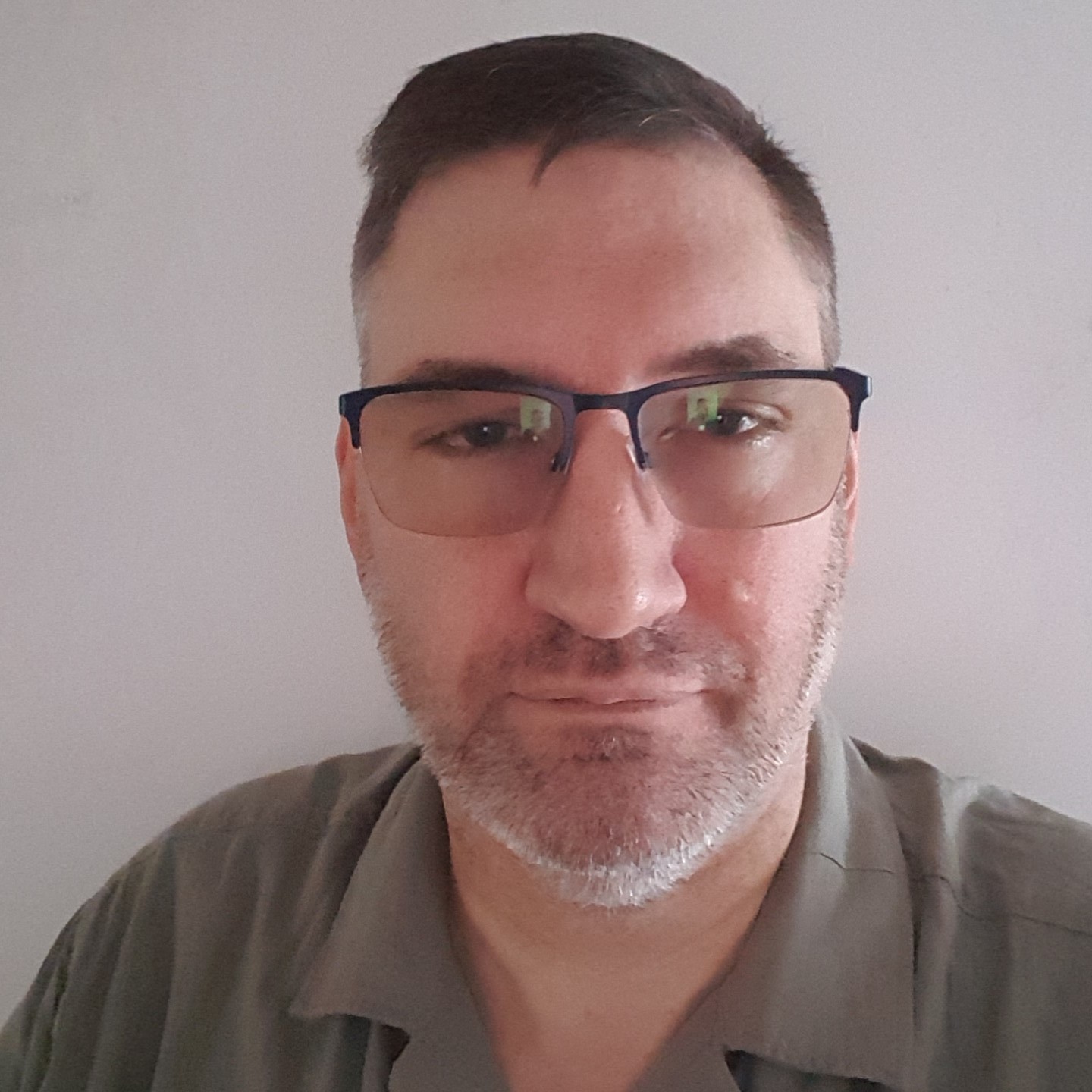
Nabil Choucair
Every time I shut my eyes, I’m haunted by the image of my family’s home – on the 22nd floor of Grenfell Tower– going up in flames. It still feels very raw because I lost six family members in the fire.
I can recall rushing to the tower to meet my brother Hisam – to try to find our family. We planned to push our way into the tower to rescue them but I was warned by the police, “If you do that again, you’ll be arrested”.
It would be weeks before I was formally told that my mother, my sister, my brother in-law and three of my nieces had perished.
Grenfell was a crime. More people died than in any terrorist attack on British shores. Forty people have been interviewed under caution but I’m asking, why no arrests?
I’m fighting for the tower to stay up until the criminal investigation is completed. It’s a reminder of our loved ones, we don’t want them to disappear just as quick as that. We also want everyone who’s been impacted by the Grenfell fire to take part in a commission to give feedback on what they would like as a fitting memorial for our loved ones that have passed.
I’m obviously hoping for prosecutions, but I feel like the criminal investigation should have taken place before the public inquiry.
In my mind, this inquiry has been a whitewash.
I made a request for a module to be included on institutionalised racism in the terms of reference, and to scrutinise whether racial stereotyping and unconscious prejudice affected the actions of the local authority and the way firefighters responded to the inferno that night. But it was rejected.
“I’m obviously hoping for prosecutions, but I feel like the criminal investigation should have taken place before the public inquiry. In my mind, this inquiry has been a whitewash”
I’m hoping for amendments to be made to the Inquiries Act 2005 because the government hasn’t as yet implemented any of the recommendations from the phrase one report of the inquiry.
Amendments need to be made so it can become law that recommendations from public inquiries automatically become legislation. That way we won’t also have to fight to get them through Parliament.
I’m appalled by the thousands of leaseholders that are stuck in unsafe homes that they cannot sell. I fear for their lives. The government is putting money over human life and I don’t want them to go through what we’ve been through. It’s not acceptable for them to have to pay for someone else’s mistake. The people who put the cladding on, they are responsible. It’s between them and the government to foot the bill.
I understand a new national regulator for construction projects is being set up to oversee a more effective constructive products regulatory regime. But I’m questioning in my heart, will this new regulator truly confront poor practice and provide vital market surveillance so that safety concerns can be spotted and dealt with earlier?
What I’m really hoping for isn’t just a regulator set up by central government but a truly independent regulator so the building industry can truly be kept in check and people won’t be living in dangerous homes anymore.
The Grenfell recovery rolled out by those who are being investigated for the fire has been highly questionable. Both local and central government didn’t have a plan in place for a disaster of this scale and the support services for those impacted by Grenfell are now coming to an end.
I can see that the mental health fall out from this for the Grenfell impacted community will be massive because of the lack of ongoing support.
The Grenfell fire was like a cash machine for many. Many got jobs in the name of Grenfell but I can’t see much fruit from the recovery programme and we don’t know exactly how the finance for this programme was spent.
I hope that local and central government will consider how they might put an effective response plan in place in case of any future disasters, that will operate better than the one that was thrown together last minute in response to the Grenfell fire. It’s been a completely chaotic and badly organised response to the crisis.
The Grenfell fire was the deadliest structural fire on British shores since the 1988 Piper Alpha oil-platform disaster – and the worst residential fire since the Second World War – but, in my mind, government officials still seem to be sleepwalking. Potentially, if they don’t pull up their socks, we could have another Grenfell on our hands.

Nicholas Burton
I remember the night before the fire. I was out walking my dog and saw cars parked in front of the entrance to Grenfell Tower. I said to myself:
“Look at those idiots over there parked by the main door. If there was a fire in the tower, how would the fire truck get in?”
Then came the fire. I called 999 several times because my wife Pily – who suffered from dementia – wouldn’t be able to make it out without assistance. Eventually we were rescued by two firefighters who were searching for one of my neighbours, Debbie Lamprell.
Debbie holds a special place in my heart. She fled to the 23rd floor but if she’d stayed on the 19th floor, the firefighters wouldn’t have rescued us.
My wife never really recovered from the fire and, following a stroke seven months later, became the last of 72 people to die as a result of the disaster.
I’m campaigning for justice for my wife and the 71 other victims. But also for changes to housing market conditions, which I feel contributed to the Grenfell tragedy.
As a way of lobbying for these changes, I took on a role in a new film, Push, which follows the work of Leilani Farha as she travelled the world as the UN’s special rapporteur on adequate housing. At the heart of Push is a philosophy that the marginalisation of individuals and the prioritisation of commercial interests is a global phenomenon in the housing market, one which begets human suffering, of which Grenfell was just one example.
But I often ask myself, will anyone actually listen?
“My fears are that nobody will be held to account, that the government won’t implement serious policy recommendations to keep people safe. It’s upsetting that corporations seem to think that this is too expensive”
We heard at the inquiry that the legally required fire assessments hadn’t been carried out at Grenfell before the fire by the KCTMO. Also that there were failed fire tests on highly flammable aluminium composite (ACM) material – tests that were then buried for 13 years.
As a result, this ACM ended up on Grenfell Tower – which in itself caused the rapid spread of the fire that fatal night.
Currently, the police are preparing a bundle of evidence to hand over to the Crown Prosecution Service. But they won’t be handing this over until 2024 at the earliest, which will be seven years after the Grenfell fire and then we probably won’t see criminal proceedings in court until 2025.
The lengthy process is both disappointing and tiring for the Grenfell-impacted community. My fears are that nobody will be held to account; that the government won’t implement serious policy recommendations to keep people safe. It’s upsetting that corporations seem to think that this is too expensive.
After the Lakanal House fire in 2009, it was uncovered that the government suppressed information about the combustibility of cladding used there. If the recommendations by the Lakanal House coroner had been followed, the Grenfell fire wouldn’t have happened. That’s why I often say that lessons haven’t been learnt yet.
If our complaints about refurbishment at Grenfell had been listened to, then the fire wouldn’t have happened. I’m hoping for a change in culture, at the heart of both the government and the building sector, where social housing tenants are actually listened to.