
By Nicola Lambe, Head of Specialist Services, Stonewater
When headlines share progress for domestic abuse survivors, it’s tempting to assume the problem is being solved. New refuges, improved pathways and partnership working all sound encouraging, and indeed, they are. But scratch beneath the surface and a more complex picture emerges, one that reminds us that safe accommodation isn’t just about roofs and referrals, but about long-term work to improve access, dignity and long‑term recovery.
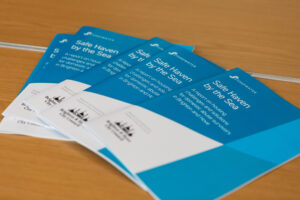
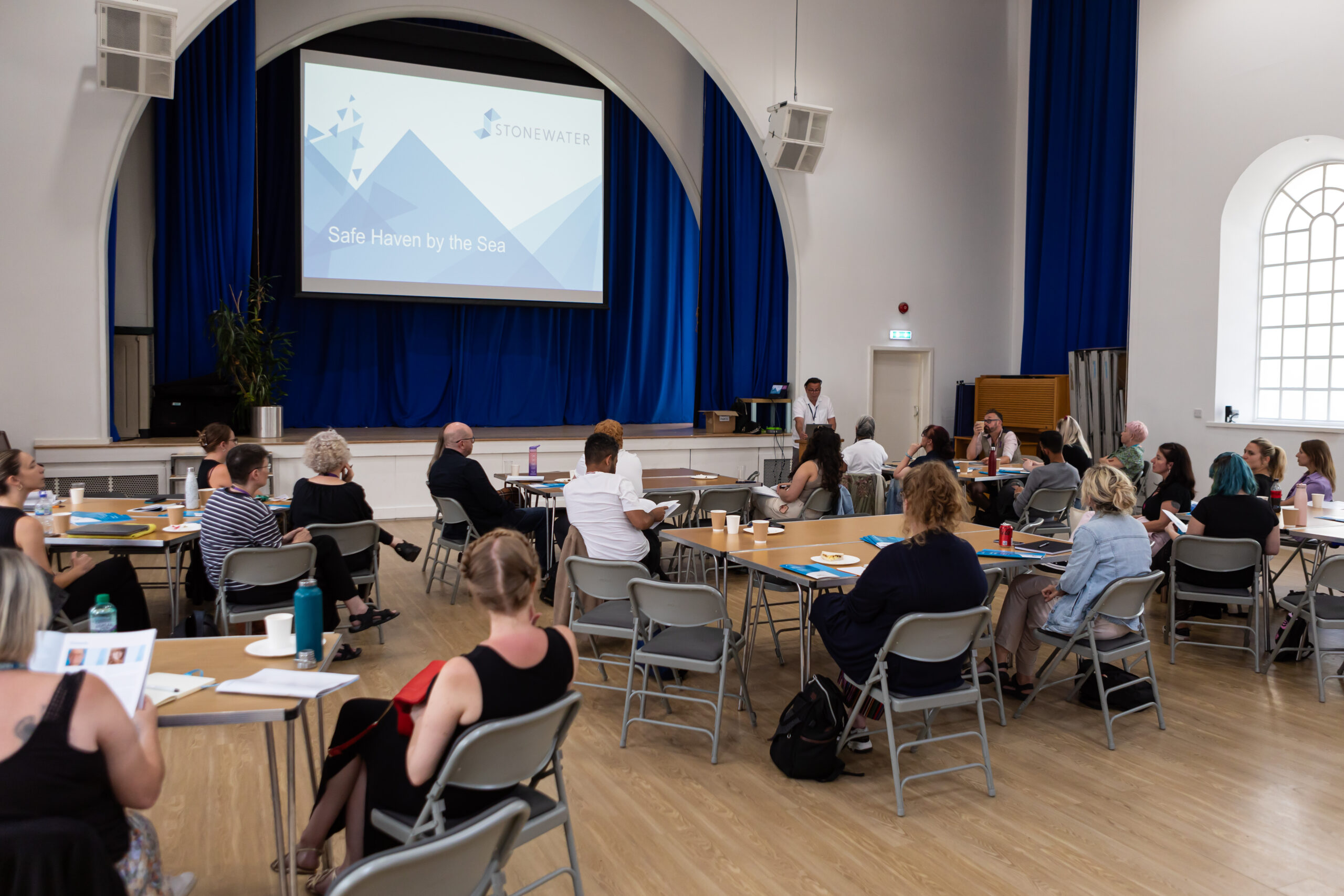
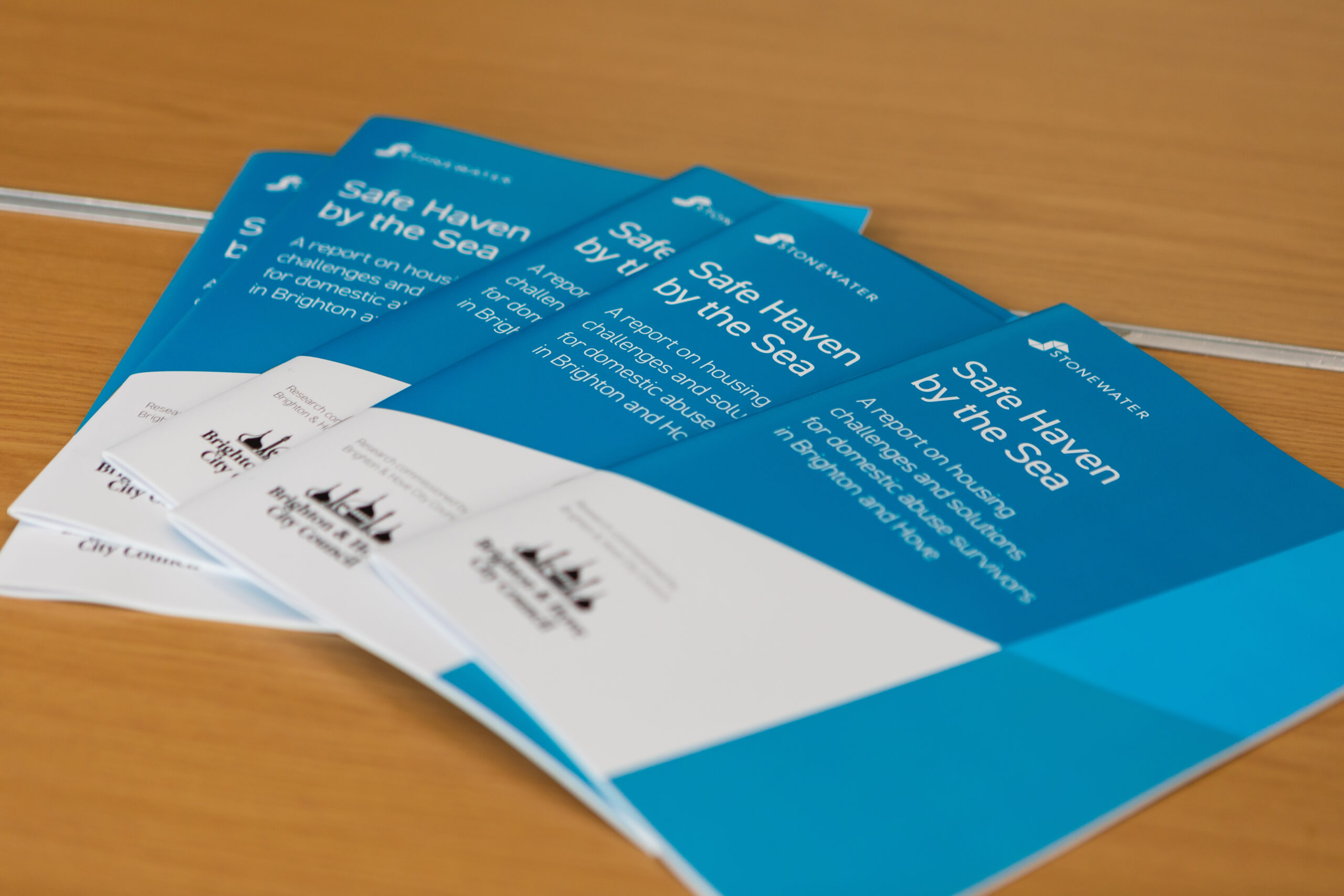
The Safe Haven by the Sea: One Year On report, co-produced by Stonewater and Brighton & Hove City Council, does exactly that. It revisits what’s changed since the original 2024 study and, crucially, what hasn’t.
On the whole the story is positive. More survivors are being supported, specialist advice is increasingly embedded in housing teams and risk assessments for temporary accommodation now routinely involve domestic abuse expertise. This has reduced unsafe placements and enabled earlier, more informed interventions for people facing complex situations.
Perhaps most striking is who’s being reached. The report shows increased support for survivors from groups historically underserved by housing systems: disabled survivors, LGBTQ+ people and those from Black and minoritised communities. This matters because the original research found that while accommodation technically existed, it often failed those who didn’t “fit the model”: survivors placed far from their networks, re‑traumatised in shared settings or excluded altogether due to rigid eligibility criteria.
Progress has been driven by structural change rather than goodwill alone. Dedicated refuge champions, children’s workers and specialist roles in housing teams have helped translate policy into practice. When expertise sits alongside allocation and homelessness teams, domestic abuse becomes part of everyday housing decision‑making rather than an afterthought or a late referral. This is a lesson that feels transferable well beyond Brighton & Hove.
But what Safe Haven by the Sea also provides is honesty about what remains unresolved, reflecting the wider challenges facing domestic abuse services nationally.
“Progress has been driven by structural change rather than goodwill alone. Dedicated refuge champions, children’s workers and specialist roles in housing teams have helped translate policy into practice”
Older women continue to appear repeatedly in survivor testimony as a group falling through gaps. Many report feeling invisible, caught between domestic abuse services and housing pathways that aren’t designed around ageing, long‑term health needs or social isolation. Even well‑intentioned systems can struggle to offer suitable options, and without dedicated pathways, older survivors risk either returning to unsafe situations or remaining in accommodation that doesn’t support recovery.
Children’s experiences present another uncomfortable reality. While the sector increasingly recognises children as survivors in their own right, funding for children’s workers and therapeutic support remains inconsistent. Practitioners know that the impact of abuse doesn’t end when a family reaches safety, but resources often do. Without sustainable investment, services are left rationing support rather than responding to need.
From a provider perspective, the report also highlights the importance of accountability and continuous improvement. Stonewater’s recent Leading Lights accreditation offers recognition of the forward momentum of domestic abuse services but is equally important because it required scrutiny of policies, staff confidence, governance and multi-agency working. Accreditation frameworks, when done well, can push organisations to examine how practice operates in reality and to strengthen it further, so survivors experience support that not just works in principle, but also in practice.
The expansion of these specialist domestic abuse services into more areas, along with longer-term contracts and partnerships, such as Stonewater’s recently extended contract with Central Bedfordshire Council, brings both opportunity and responsibility. This new contract will see increased children’s support provision and further therapeutic interventions for both women and children, demonstrating that domestic abuse services work best when they are locally rooted, shaped by lived experience and designed in collaboration.
So, what sits behind the headline of progress? A picture of learning, improving and collaborating more effectively than before, but one of a sector still wrestling with structural constraints. Safe accommodation isn’t simply about unit numbers or compliance with statutory duties. It’s about whether survivors can access housing that feels safe, appropriate and supportive of healing.
The challenge now is to resist complacency. Marginalised survivors and children affected by abuse must not remain peripheral to service design. As safe housing and specialist support providers, alongside local authorities, commissioners, policymakers and national partners, we all share responsibility for responding to the issues this report highlights. These challenges are complex and national, and addressing them will require coordinated action across funding, policy and service design, not solutions delivered in silos.