
 Is there a mismatch of supply to demand in Aberdeen?
By Craig Stirrat,CEO of Grampian Housing Association Group
I was delighted to read news headlines that seemed to indicate the end of the local economic downturn: “Aberdeen property market beginning to boom again after year of growth.”
I reflected on the decline in the Aberdeen oil industry in 2014 and the consequential property value crash of 17%. This was followed in 2017 with property experts confidently ‘talking up the market recovery’. Nothing like the power of positive thinking – but not in the absence of any real tangible actions to control the local economy and the impact on the housing market, given that current private rents are now the lowest of all major cities in Scotland.
Ironically, after years of deliberation over what to do in response to Aberdeen’s overheating property market, in 2017 the Scottish Government announced its proposals for private sector rent controls. This allowed local authorities to apply for areas to be designated as Rent Pressure Zones (RPZ) within which the minimum cap on rents was CPI + 1% (the assumption in the business plans of most social landlords).
Aberdeen currently has approximately 117,000 homes, (57% in owner occupation and 19% in the private rented sector). As a consequence of Right to Buy, Aberdeen City Council’s (ACC) housing stock has declined to 22,000 from over 48,000.
“There needs to be a fundamental rethink on how to tackle the mismatch of supply to demand to find practical ways of delivering a more balanced housing market”
ACC’s housing waiting list now stands at 5,800 applicants (a drop of almost 36% over 20 years), a reflection of the decline in supply of affordable homes, growth of the private rented sector and availability of cheaper mortgages.
Whilst it could be argued that Aberdeen no longer has a housing supply crisis, there’s clearly a mismatch of supply to demand. This is particularly noticeable in the increase in demand for large family-sized houses in all sectors which is driving the recent resurgence in average house prices and, critically, the type of housing available.
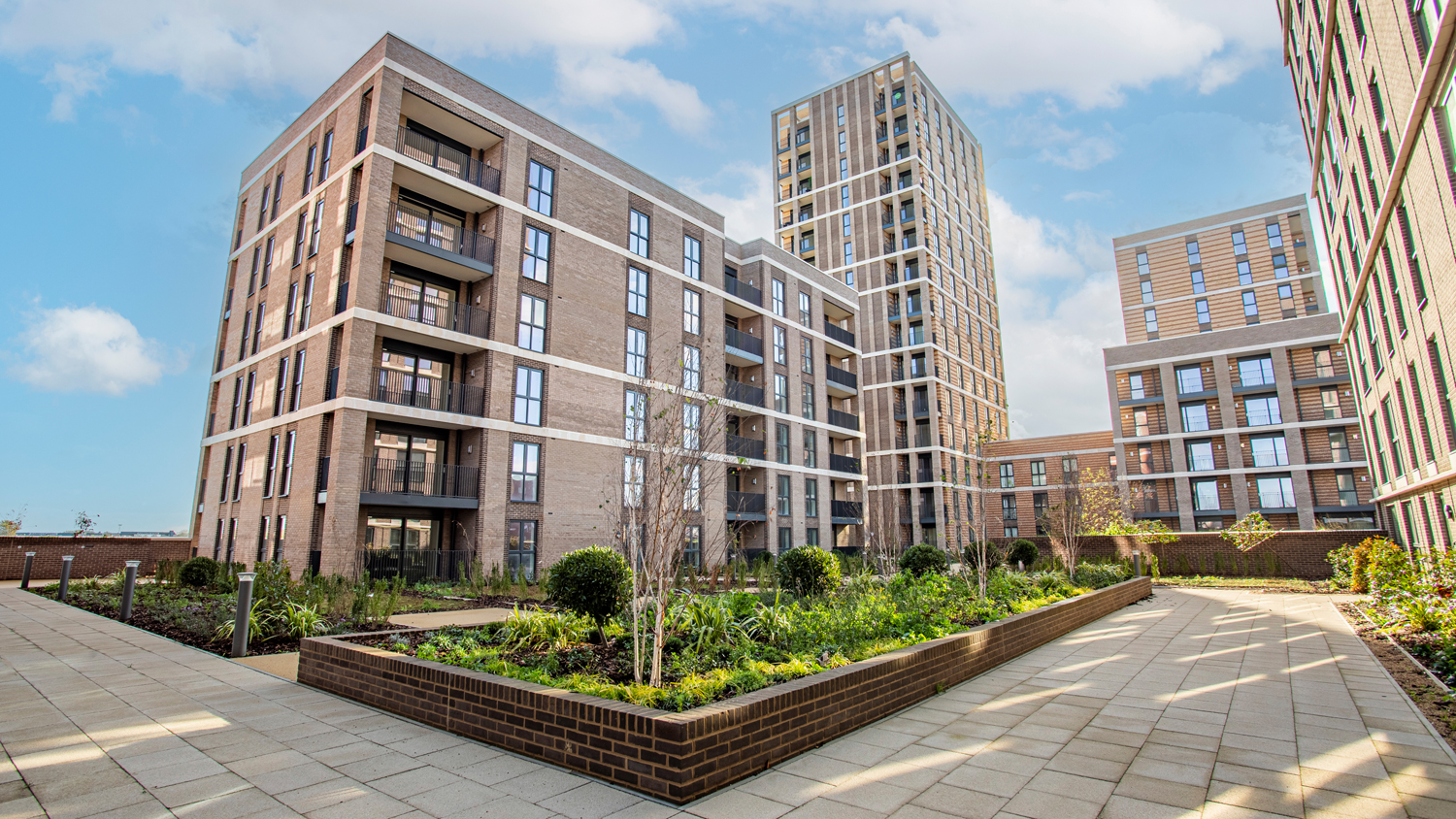
In response to the housing supply crisis, ACC embarked on a massive five-year programme in 2017 to deliver 2,000 new council homes by May 2022. However, 800 of the properties completed/near completion to date are mainly flats. This doesn’t include the delivery of a sizeable new-build programme of flats by housing associations during the same period.
Currently, there are 2,800 properties listed for sale in the local property centre of which 1,800 are flats, creating a buyers’ market for flatted properties. In many cases, these flats are being sold below home report valuations.
Whilst the economic crisis created by the pandemic, Brexit and now the energy crisis may actually be the saviour of the Aberdeen economy, with the potential for more jobs to be created in the oil industry and the emerging renewables industry, I’m not sure that it’ll significantly resolve housing market issues. There needs to be a fundamental rethink on how to tackle the mismatch of supply to demand to find practical ways of delivering a more balanced housing market. City centre regeneration, anyone?