
Hume Community Housing provides over 4,000 properties to approximately 9,000 customers in New South Wales, offering a mix of long-term, affordable and transitional housing. In 2019, Hume undertook NSW’s largest social housing transfer, integrating 2,200 homes from Maitland and Port Stephens into Hume’s management portfolio. Hume recognises the importance of the land’s traditional custodians, the Aboriginal and Torres Strait Islander people.
Area background

The homes, mainly built from the early 1980s to the 1990s, house a diverse population, including some over 55s. Many residents are original occupants or have inherited their homes through succession from a parent, contributing to a stable yet aged community demographic. The diverse demographics in the area include single parents, elderly men living alone, and a notable presence of homelessness and transient populations. Aboriginal and Torres Strait Islander people represent 11% of the regional customers.
Challenges
Since the stock transfer the region has faced bushfires, Covid-19 and floods, all significantly affecting Hume’s community development and engagement plans. The cost-of-living crisis has further strained the community, increasing the workload for Hume’s tenancy sustainment and community cohesion officers. Mistrust and confusion about Hume’s role compared to government housing, especially in rural areas, have posed engagement challenges. Issues with property maintenance and condition have historically eroded resident trust, which Hume is actively addressing.
Sensitive topics like rent collection and property conditions are focal points for building trust. Engagement activities and events do have a positive impact on the community and the relationship with Hume and residents, but structured involvement in governance is challenging. Addressing antisocial behaviour (ASB), crime and youth challenges, especially in rural areas where a single household can disrupt the community, is a priority. Hume has seen improvements through targeted interventions.
Hoarding, particularly among solitary elderly men, and internal property conditions, pose unique challenges, often requiring substantial resources to address. The transient population, influenced by local correctional facilities, and high levels of domestic violence and mental health issues, further complicate the community landscape. Changes in primary care, leading to funding cuts for some mental health services, have left many residents unsupported.
Approaches
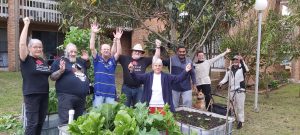
Hume attributes its success primarily to two elements: consistent presence in communities and robust partnerships with local agencies, residents and the wider community. Hume understands that community development requires a collaborative approach, not only with customers and community but also with local service and support partners.
Youth engagement: Hume’s Maitland team have partnered with a local provider to engage youth through sports and crafts in local parks. This approach offered a positive, proactive means to interact with families, transcending mere responses to ASB complaints. Although the initiative’s sustainability hinged on external funding, its impact was tangible, with residents noting a perceptible difference in community atmosphere.
Enforcement: beyond traditional enforcement, Hume adopted a multi-agency approach, ensuring referrals and proactive support for residents. This balanced strategy aimed at prevention and intervention, reducing the need for tribunals and fostering a supportive environment for community issues and tenancy sustainment.
Seniors hubs: activities for residents over 65, facilitated in partnership with Catholic Care in local community spaces, have been instrumental in engaging the older population. These hubs, providing cost-free participation, aim to transition into more customer-led platforms, reflecting Hume’s commitment to inclusive community spaces. Hume acknowledges that isolation and loneliness is most prevalent for older customers and has a significant impact on health. Senior hub programmes have resulted in reducing these challenges.
RIKI – Rent It. Keep It: in partnership with Carries Place, this program supports tenancy sustainment, offering guidance on housing applications, tenancy initiation and sustainable living. Its high engagement rates underscore its effectiveness in educating residents about tenancy management. Ensuring communities can gain skills necessary to sustain their tenancy and participate in their community is critical in community development and placemaking.
Resident voice: the evolution from Tenants Voice engagement sessions to Hume’s customer newsletter, Humelife Magazine, marks an initiative to foster a two-way dialogue with residents, ensuring their voices shape community engagement strategies.
Safety awareness: recognising the unique risks for properties adjacent to bushlands, Hume has conducted well-received fire safety sessions, prioritising resident safety and preparedness. These forums assisted over 55s in difficult property care, such as gutter cleans and rubbish removal, to ensure plans to stay safe could be achieved.
Reconciliation action plans: these plans underline Hume’s commitment to resident empowerment, decision-making, and fostering inclusive communities where everyone’s voice is heard and valued.
Tenancy sustainment coordinators and community cohesion officers: Hume has prioritised not just having tenancy staff in communities but ensuring their presence is consistent, positive and stable. Overcoming challenges in staff stability has been a focal point for fostering trust and effectiveness in community engagement. The addition of tenancy sustainment officers provides an internal referral to support coordination for tenancies at risk or customers experiencing challenging times and requiring support. Community cohesion is underpinned by an asset-building and placemaking approach, with customers’ participation valued at every stage, from implementation to delivery.
Training and development: staff undergo rigorous and frequent training in crucial areas, such as mental health first aid, hoarding, property conditions and fire safety, equipping them with the necessary skills to address complex community issues effectively.
New structural approach: Hume is trialling a new structure that reduces its staff to tenant ratio and provides more consistent and meaningful service delivery. This holistic approach aims to improve property and community management by providing customers with a single point of contact and creating more manageable portfolios and improving both customer and staff experience.
Best practice and collaboration: Hume actively participates in a memorandum of understanding (MOU) with multiple housing associations and others in the NSW area. This collaboration focuses on sharing best practice, learning from each other, and delivering more cohesive and effective results.
View Hume Community Housing’s video presented at the second international placemaking exchange in April 2025 https://www.youtube.com/watch?v=6zuPHeHAB78