
Continuing our Housing in Practice series, Neil Merrick reports on a housing association that’s encouraging students to live alongside older residents and help reduce loneliness or isolation.
The resident’s story
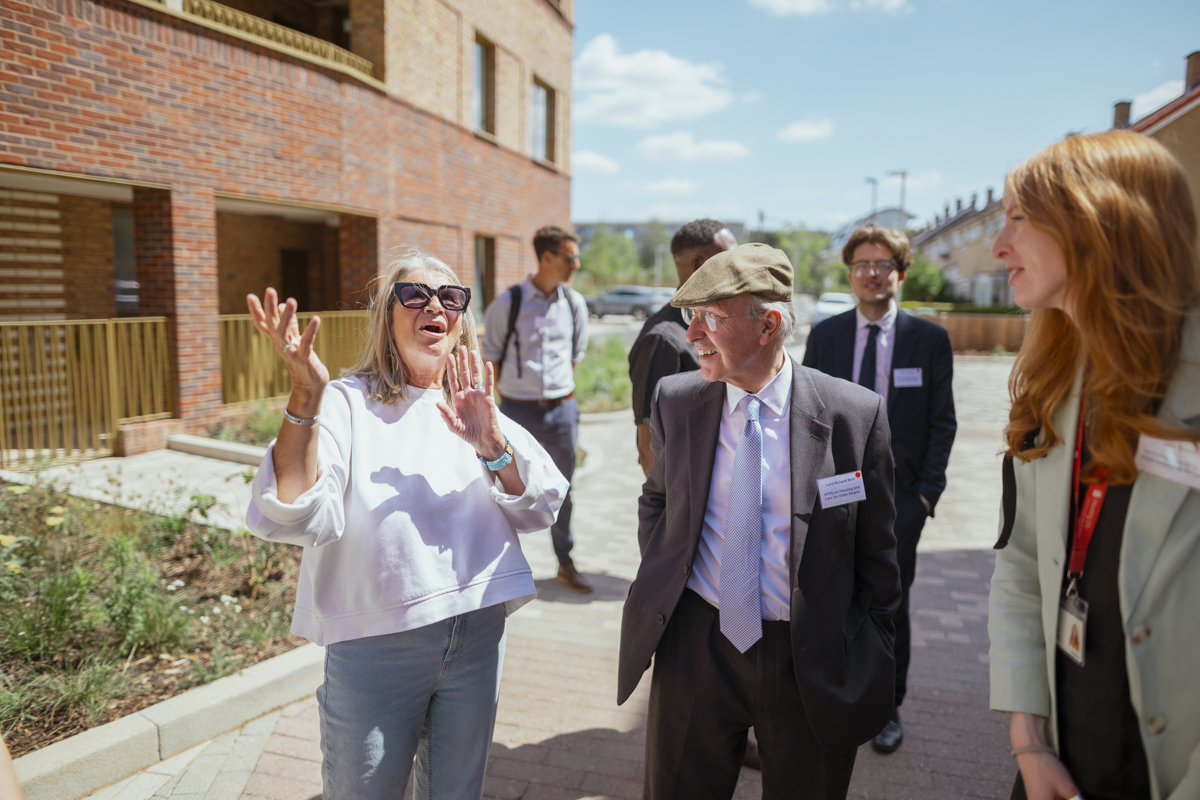
Prior to moving into a flat in south London earlier this year, Claire Carpenter had spent a decade living in women’s hostels and supported housing.
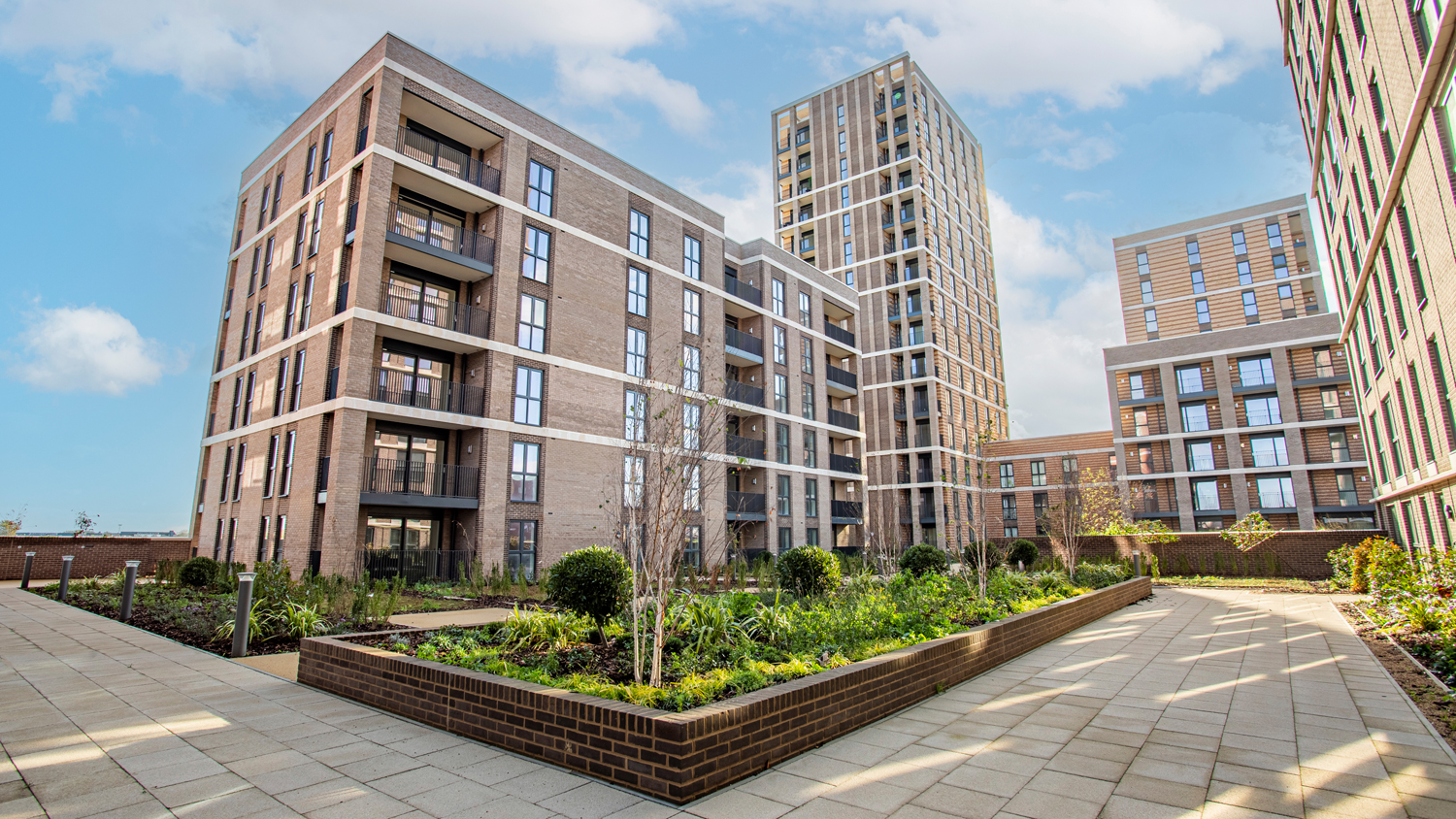
Now she’s one of about 30 residents aged 55 or over at Melfield Gardens, built in Lewisham by Phoenix Community Housing and giving older people the opportunity to live independently.
Except not everyone at Melfield Gardens has reached their fifties. Living among the older residents are eight students from Goldsmiths, part of University of London, who help to give other residents a different outlook on life.
The intergenerational living scheme is specifically devised to help older people avoid loneliness or isolation. This means anything from chatting over a cup of coffee in the communal lounge to organised walks in nearby Beckenham Park.
For Carpenter, life could not be more different from where she lived before. “It’s nice to be back in the community,” she says. “We all look out for one another and the students bring an injection of youth.”
What is intergenerational living?
Multi or intergenerational living consists of people from different generations living in close proximity, sharing common facilities, and perhaps spending time together on a reasonably regular basis.
Many families live this way for economic reasons, with younger people sharing a home with their parents, or even grandparents, due to the high cost of renting or buying a property.
Outside of immediate relatives, intergenerational living is relatively unusual in the UK. At Melfield Gardens, students from Goldsmiths live in flats alongside people who are significantly older but who are also tenants of Phoenix Community Housing.
How did the Melfield Gardens scheme come about?
Five years ago, Phoenix decided to decommission 16 bedsits in Lewisham and replace them with housing more suited to older people. The association considered building more extra care housing, similar to a scheme at nearby Hazelhurst Court, which opened in 2017.
This is made up of 60 homes for elderly people with a range of care needs. About a third moved from family-size homes owned by Phoenix elsewhere in south London, freeing up the larger houses for younger tenants. “It was about making best use of our assets,” says Angela Hardman, Phoenix’s head of development.
But such a scheme wasn’t feasible at Melfield Gardens as there was insufficient space for the minimum of 60 homes required. Another option was therefore needed that was attractive to tenants in their mid-50s and older.
“This approach to shared living aims to increase the sense of community and reduce loneliness among older and young people, with clear benefits to health”
What’s special about Melfield Gardens?
Melfield Gardens consists of 30 homes for residents over 55 and two four-bedroom flats for students from Goldsmiths.
Older residents live in one-bed flats that feature an additional room for multiple use, including as an office. There’s also a shared community lounge, plus landscaped communal gardens.
Most are single people, along with two couples. Ages vary, with half aged over 66. Ten households downsized from family-size homes owned by Phoenix. “We tried to create an environment that was future-proof and encouraged people to move out of their previous home,” says Angela Hardman.
Each block of flats includes a four-bed flat for the students. In return for paying a rent of £130 per week (below market rates for London), they agree to socialise with other residents, arrange activities, and look on the older residents as close neighbours.
The students, she stresses, are not carers and so aren’t expected to carry out day-to-day tasks for older residents, some of whom receive regular care.
Instead they socialise with residents in the lounge or garden, or arrange activities such as walks or exercise sessions. “We want to remove the fear of isolation or loneliness and create an environment where residents can thrive and live close to younger people,” adds Hardman.
All the homes are built to Passivhaus standards, with high levels of insulation that provide better thermal comfort and reduce energy bills.
How were the students chosen?
Goldsmiths, University of London, has an international reputation for teaching and research in creative arts and humanities. About 8,000 students are based on its campus in south east London, about four miles from Melfield Gardens.
In return for paying a below-market rent to live at Melfield Gardens, they commit to spending at least one hour per week with older residents, either individually or on a collective basis.
Annabel Kiernan, deputy vice-chancellor for education and student experience at Goldsmiths, sees the scheme as a “bold model in intergenerational living” based on caring for others within the community.
Not only are students supporting their neighbours, but each generation can learn from one another, she adds. The students, who were selected based on applications submitted earlier this year, are all postgraduates who qualify for bursaries or other financial support. Undergraduates may be invited to apply in future years.
“We selected them on the basis of commitment to communal or intergenerational living,” says Professor Kiernan. “They are all interested in community engagement and the ethos of social justice that we’re trying to build.”
Morley, a 28-year-old postgraduate in psychology, was one of the first students to move into Melfield Gardens. He enjoys discussing dance music with older residents, as well as taking part in walks or group-stretching exercises.
Other times, it’s a matter of meeting for a cup of tea or coffee. “Students bring their own skillsets,” he says. “We share a lot of life-enriching experiences.”
Moving forward, Phoenix’s community engagement team will liaise with Goldsmiths to check the arrangement works well for all parties. “We intend to monitor results to ensure there are positive outcomes,” says Angela Hardman.
What are the overall benefits of the scheme?
A report by Age UK has found that 49% of people aged 75 or over live alone, while loneliness can be as harmful to people’s health as smoking 15 cigarettes a day.
By putting older people in touch with students in their twenties, Phoenix is not only providing residents with better homes, but a broader outlook on life.
This approach to shared living aims to increase the sense of community and reduce loneliness among older and young people, with clear benefits to health, says Angela Hardman.
In five years’ time, more than 35% of Phoenix tenants will be over 65, with nearly 10% in their mid-70s or older. The housing association is therefore also considering how best to ensure older people can live independently, with less chance they will need to go into care.
The Melfield Gardens scheme is based upon close co-operation between Phoenix and Goldsmiths, which may eventually offer students the opportunity to take part in similar schemes elsewhere.
“A supportive, family-like environment, combined with a sense of belonging, enables older residents to maintain their independence and stay in their homes for longer,” says Hardman.