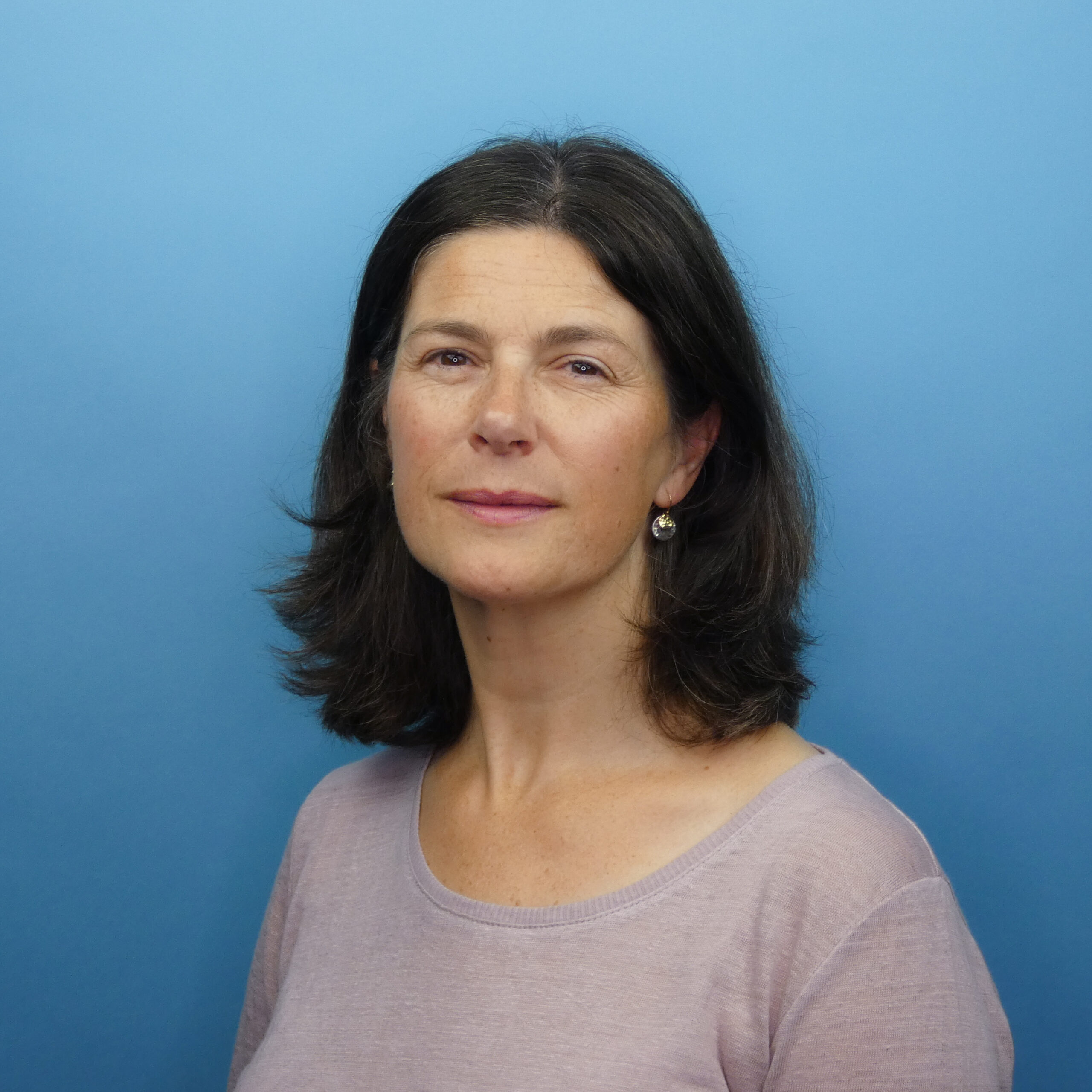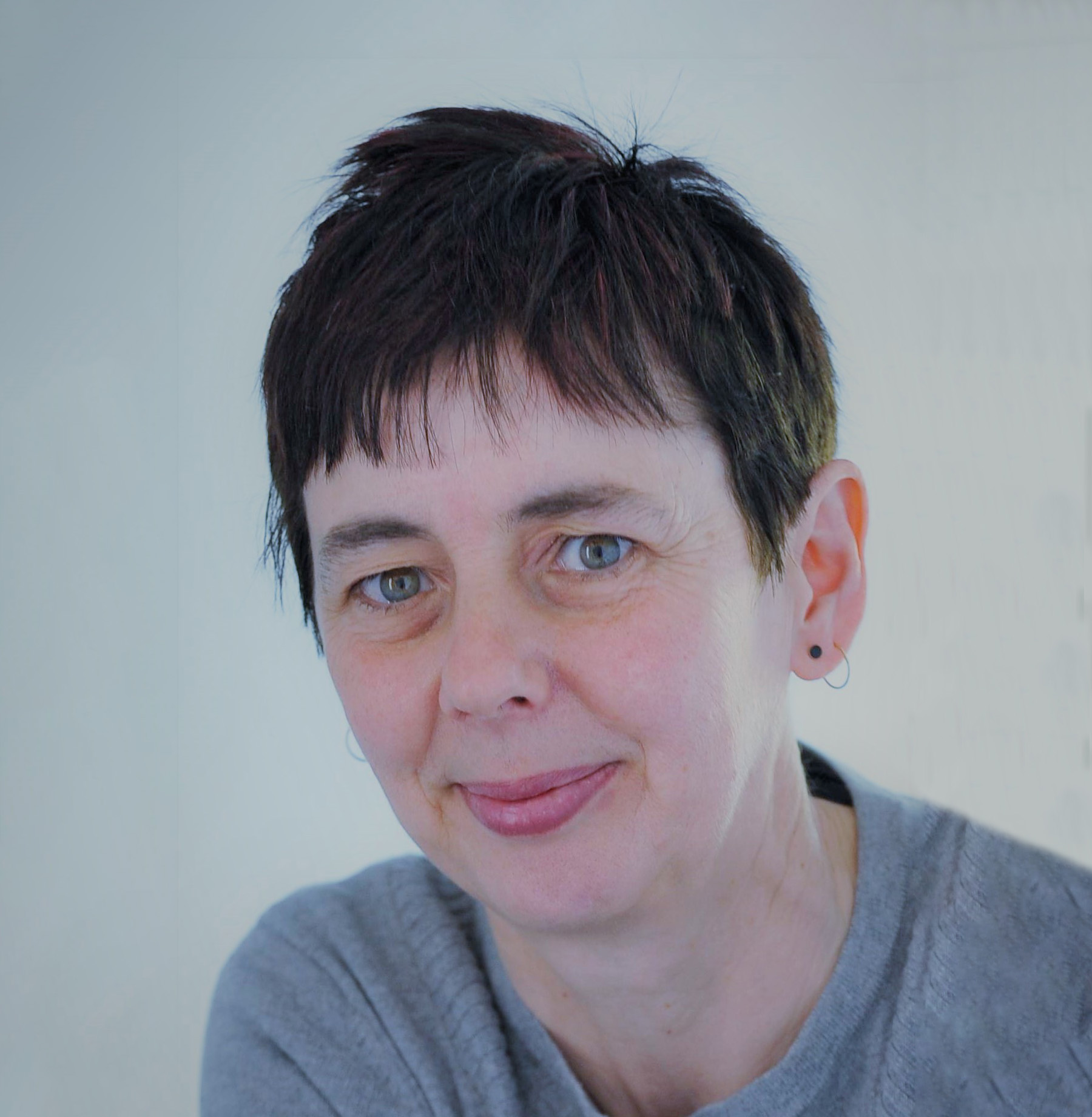


 Dr Jennifer Hoolachan and Dr Fiona Long.
Youth homelessness is a significant problem across the UK. In Wales, around 6,500 young people (aged 16-24) approached their local authority for homelessness assistance in 2023/24. The causes of youth homelessness often centre on family-related issues and/or challenging housing and labour market conditions, though some are more at risk than others, including care leavers and those who identified as LGBTQ+. When experienced at an early age, homelessness can have a negative and long-lasting impact on young peoples’ health, housing, relationships, and education, training or employment prospects. In consequence, the Welsh government aims to prevent and ultimately end homelessness in Wales.
Tai Ffres was developed against this backdrop. A collaboration between a housing association, United Welsh and the Llamau support service, Tai Ffres aims to offer safe, secure and affordable homes for young people (16-26) at risk of homelessness in Wales. Tai Ffres currently provides 33 studio, one-bed and two-bed flats to young people across Cardiff, and aims to deliver a total of 102 units by March 2027. The young people also have access to person-centred support via an ‘asset-based coach,’ though aren’t obliged to engage with this support.
This article presents findings from our qualitative evaluation of Tai Ffres which examined its effectiveness, the young people’s experiences of it, and the possibility of rolling the model out further. This article will focus on 13 semi-structured interviews with the young people living in Tai Ffres properties, and will centre on the theme of ‘home’.
Home and home-making practices
The young people each had their own ideas about what ‘home’ meant to them. Christy distinguished houses from homes: “A house is anything, I’ve lived in plenty of houses, but a home is somewhere you wanna go after a long day.” The young people’s perceptions of home centred around three key themes: comfort, safety and autonomy. Orion said “home is just somewhere I feel comfortable,” whilst Ella placed emphasis on it being “a safe space” where she could go and not have to answer to anybody.
Whilst many of the young people described ‘home’ using abstract concepts – as a place which evoked a certain feeling – they equally recognised that home-making practices could help them to achieve those feelings. All of the young people we spoke to engaged in home-making practices of some kind. As the young people were able to redecorate their spaces without needing to request permission, many of them painted their walls and added fixtures and fittings to match their individual tastes, and were enthusiastic about making the space their own.
“I like the colour white, I bet you can’t tell [laughs and gestures around because the whole room is white].” (Molly)
“We’re planning on putting like panelling around, I love panelling.” (Jade)
Others planned out their ideal space prior to moving in, including Chelsea, who wanted to put up curtains in order to create designated spaces within her flat (“it definitely creates a better space”). The home-making process was important as it impacted how the young people felt about, and lived within, their new flats. For example, Claire said you “need to make it home so you can live properly”.
Feeling at home
Most of the young people we spoke to said that they either felt at home or were on their way to feeling at home. This feeling wasn’t instant and was aided by the home-making process. Orion had everything that he needed in his flat and so felt comfortable there: “This is my home and it feels like home as well.” Maria took a couple of months to settle in, though after adding her own touches, eventually felt “cosy” in the space and added: “I feel like it’s actually a home now.”
Importantly, this was the first time that many of the young people had been given their own space and had experienced living alone. For some, this in itself involved a period of adjustment, such as Ella who had initially invited her boyfriend to stay with her:
“I was nervous at the thought of being on my own… After I settled in and learned who lived in here, I know I’m safe, it was fine.” (Interview with Ella)
However, this sense of freedom and autonomy was something which the young people valued most. Molly liked that she could come and go as she pleased and said, “it’s more freedom”. Some of the young people, like Molly, contrasted this sense of freedom with the curfews previously imposed on them by supported lodgings. Others appreciated having access to areas they hadn’t previously used, including Chelsea, who once avoided her hostel’s communal kitchen, though discovered that she enjoyed cooking in her own.
“I’m in the kitchen doing what I want and making what I want. And I’m like, oh, this is actually quite nice.” (Chelsea)
Unable to feel at home
Whilst the majority of the young people felt at home in their Tai Ffres flats, others struggled. Olivia found it difficult to settle anywhere based on a history of repeated movement, and said, “I’ve moved and I’ve moved and I’ve moved, I think it’ll take me a while to say I feel like home”.
Others experienced issues with their flats, which made them feel less at home. For example, following a period of extreme rain, Jade experienced leaking in her flat and said that she would rather be at her mum’s house. In consequence, she felt slightly less at home.
What makes a ‘home’
These findings highlight the fluidity of the meaning of ‘home’ amongst young people. Moreover, home-making practices are conceived of as those which connect the tangible aspects of home (eg, curtains) with the intangible (eg, comfort), thereby enabling young people to feel ‘at home’ in their space.
These findings and others can be found in the full Tai Ffres evaluation which will be published shortly.
Reference
FEANTSA. 2020. European Framework for Defining Youth Homelessness. Available at: https://www.feantsa.org/download/framework-for-defining-youth-homelessness_final_pdf3614092469143708469.pdf