
 Why it’s time to talk about taxing rising land wealth
By Hannah Fearn, freelance journalist specialising in social affairs
The political crisis over inheritance tax for farmers passing on land to their descendants is a great example of how to be an effective lobbyist.
The National Farmers Union (NFU) did a brilliant job of rallying its members to lobby and march against the policy, leaving the government under huge pressure to make amendments to its tax plans to accommodate them. Remarkably, the NFU managed that even though the policy in question actually works in favour of most of its members’ interests. They just don’t realise it yet.
The primary issue isn’t really about inheritance rights at all, but the sky high and constantly rising price of land.
Some important context: the overwhelming majority of British farm owners won’t be hit by the new inheritance tax rules, and 40% are tenant farmers who are negatively affected by rents on rising land values. High land costs make it harder and less cost effective to farm and to grow a business. It’s ridiculous that land now retains more value in itself than using it for food production.
This situation has been caused in part by asset speculation by high net worth individuals – of whom Jeremy Clarkson is just one highly visible example – and are bad for everyone. High land prices are a major driver of rising property prices. Much of the value of a home is held in the land it sits on, so the price of farmland is also directly linked to the price of a three-bed terrace in the suburbs.
“The primary issue isn’t really about inheritance rights at all, but the sky high and constantly rising price of land”
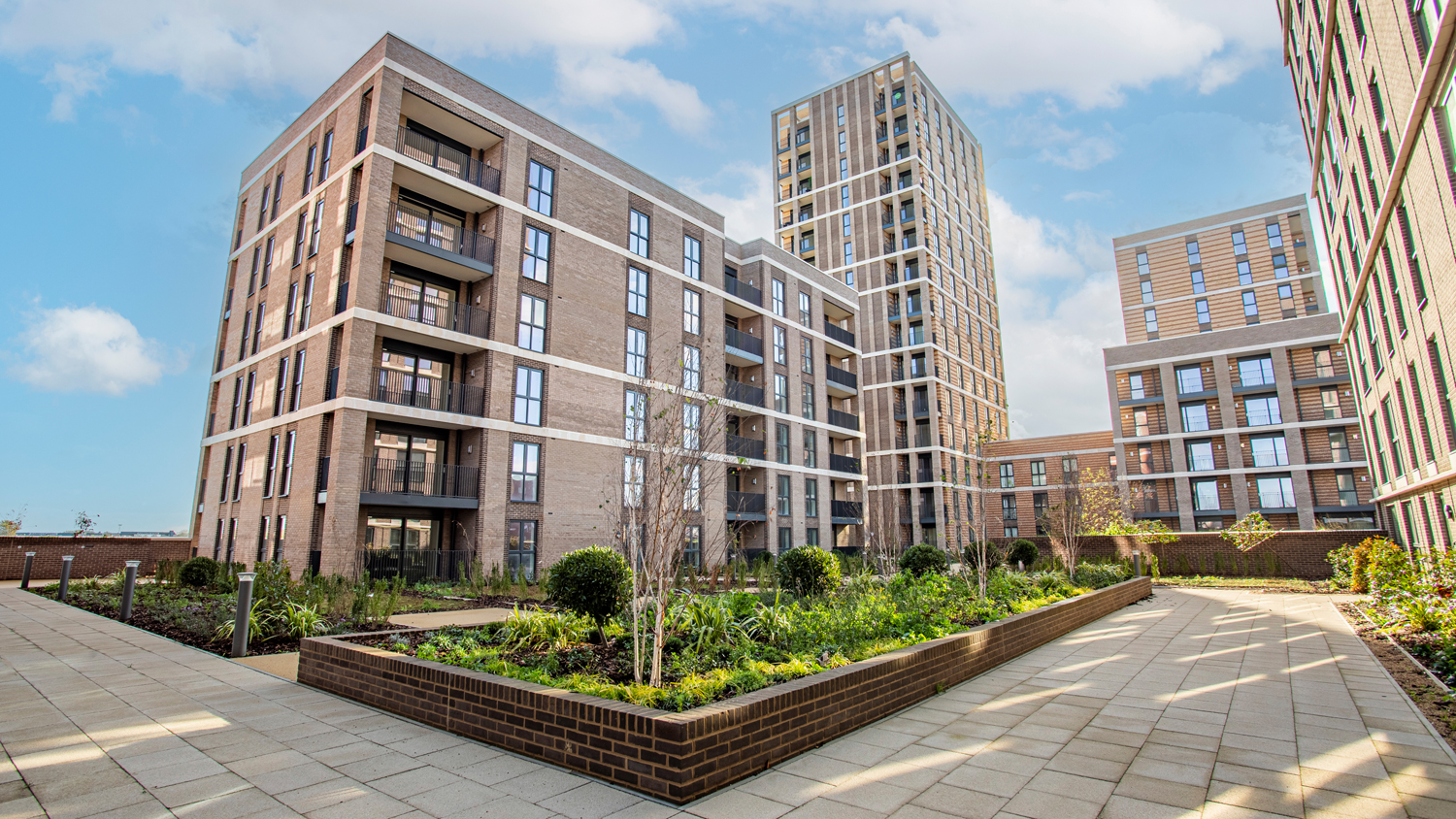
Expensive land makes it harder for developers, including housing associations, to build affordable housing. With land costs so high, private developers tend to prioritise building luxury homes to serve the top end of the market to yield higher returns. For social housing numbers, this means the mixed development model often results in less social housing on site to make a viable scheme. There’s a sort of scarcity feedback loop here, in which higher land costs drive up development costs, which drive up house prices and make developers more likely to focus on delivering high-spec, small numbers projects – which in turn pushes up house prices again due to low development rates.
Rapidly rising land costs also encourage the practice of landbanking. Developers like to say landbanking doesn’t exist, that their sites only sit waiting for the moment of viability, not just to boost their asset base. That seems unlikely. Land values across England increased by an average of 36% between 2011 and 2021, according to Strutt & Parker. Under these, viability improves over time – but so does the health of the developers’ books. Landbanking slows down new housing rates which in turn pushes up the price of existing homes on the open market.
Government policy also affects the value of land. The introduction of a ‘grey belt’ in green belt areas, which can be prioritised for development, will paradoxically push up land values in those areas but nonetheless help to boost new development – which should play a role in slowing down house price rises as supply edges closer to demand. The farming land inheritance tax policy isn’t just about boosting Treasury coffers – it’ll have a trickle down impact on house prices too by making land a less desirable financial asset.
We talk a lot about all the surface causes of the housing crisis but less about the underpinning problem of spiralling land prices. So, what’s missing here? An earlier incarnation of the Labour Party suggested a 3% land value tax to stall rapid rises and redistribute land wealth. That flat rate is too unpalatable to ordinary homeowners to function effectively, but some measure of taxation based on rising land wealth shouldn’t be off the menu for Rachel Reeves. Something to keep up the sleeve for a second term, perhaps?