
Location type: City suburban
Landlord: Pioneer Group
Residents: Many long-term residents, very low turnover. Formerly the community was almost exclusively white but now more mixed ethnicity
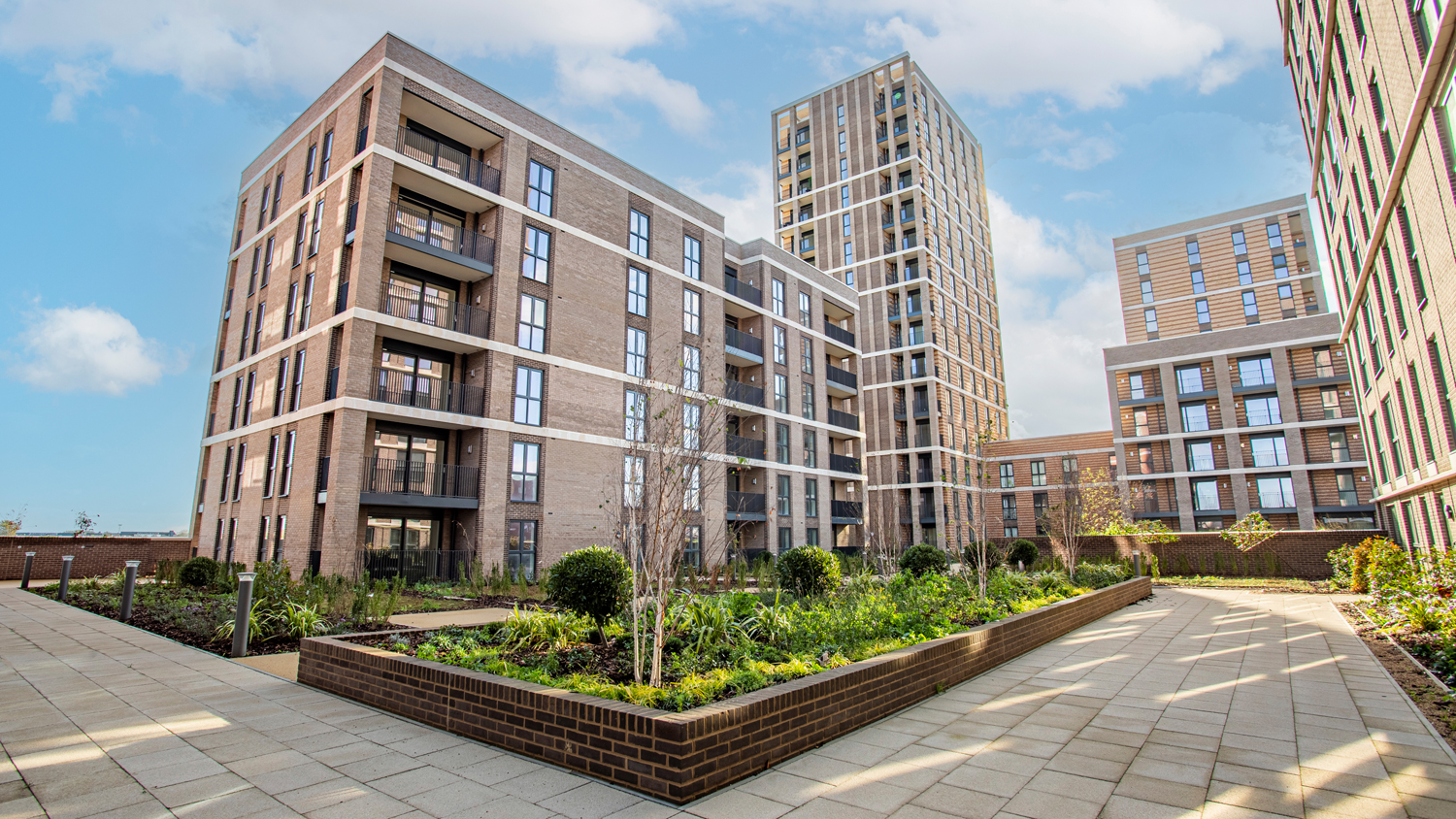
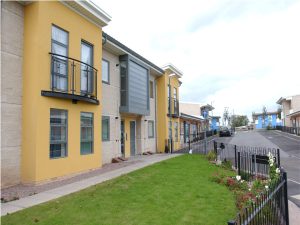
Estate size and type: Very large estate with 10,000 residents in about 4,500 homes, of which Pioneer manages 2,500. Extensively remodelled to offer low-rise flats and individual houses. Small ‘footprint’ of only one square mile.
Castle Vale has been through a remarkable history of many of the UK’s post-industrial regeneration initiatives. Built in the 1960s to rehouse Birmingham residents from cleared slum housing, it originally consisted of 32 tower blocks plus some low-rise flats. But social problems emerged almost straight away. The area lacked the infrastructure to go with the new housing and jobs were scarce.
In the 1990s the estate became a Housing Action Trust – taken from council ownership to a housing association with the consent of residents, and completely redeveloped using £250 million of special funding. With the demolition of 30 tower blocks and the creation of new low-rise housing, came new schools, a GP surgery, retail and jobs. Turnover continues to be very low with few re-lets, but the demographics have gradually changed over the years to become less of a monoculture. Half of the lettings are from the local council’s waiting list, which has helped broaden the ethnic diversity of the population.
Equally important, says CEO Simon Wilson, was the community rebulding begun during the HAT days. The HAT’s legacy was “hardwired” so that structures created then are still functioning for the community today. Anchor institutions delivering for the community include charities, health and wellbeing organisations, and youth support. Other organisations deliver employment and skills opportunities, debt advice and more. All of this means that the right infrastructure is there to sustain the “eco-system of the revitalised community,” he believes. “The community is not done to, it is engaged with.”
The original Castle Vale Community Regeneration Services that eventually became part of Pioneer Group runs a thriving community centre. Residents said they wanted better quality in their homes and Pioneer Group promised it would continue to invest after the wide scale regeneration was complete. Based on feedback from residents, it’s also established green initiatives and an estate-wide CCTV service with 95 cameras and a control room.
The environment on the estate gets special attention, too: residents said they wanted ‘clean and green’ so the HA must deliver. A community environmental trust manages the central park and other green areas. Pioneer takes a tenure-neutral approach on fly tipping and bulk waste, and gets it cleared in the interests of the whole community.
Another original structure created by the HAT to improve local governance and sustain partnership working also continues today, in the shape of the Neighbourhood Partnership Board. Over the years it’s been chaired by several high-profile national politicians based locally, and includes the local authority, police, health, faith groups and other key stakeholders. Crucially, residents can also join the board. This is where masterplanning and strategic level initiatives are agreed. It’s also the place where the neighbourhood plan that’s the driving force for partnership working is drawn up. This has been regularly renewed over the last 20 years with the overarching aim of moving the indices of deprivation in the right direction.
The partnership’s value was re-emphasised during Covid when it was relatively easy for the organisations to pull together to deliver support wherever needed. Similarly, when the local library, swimming pool and football facility were threatened with closure during the austerity years, the structure was there to enable their future as community assets.
For its part, Pioneer has lived up to its community pledge to put at least £400,000 a year into ‘non-core’ activity in the community, such as hubs, and family and older people’s support. The association’s board continues to support that investment, despite a range of pressures, such as government rent cuts that took £1 million out of the association’s business plan, austerity, increased regulation requirements and rising interest rates. The aim is to ‘get upstream’ of problems, not only react to them.
That’s especially important in a community that’s still among the most deprived in Birmingham. Pioneer tracks the indices of multiple deprivation right down to ‘super output areas’ (very local level), though data such as Census returns are always lagging behind the current reality. The feeling is that although the indices for the area remain challenging, organisations believe they’re bucking a downward trend elsewhere in the region and actually improving their stats. Local people take pride in their estate. That’s largely because the placemaking work begun 30 years ago has stood the test of time. As Simon Wilson comments, “The community puts its arm round its citizens and gives them opportunities to thrive”.
The key points
- When making a new start, either via stock transfer or major regeneration, community building is the foundation for the future
- Establish strong formal structures to ensure partner organisations and the community can work at strategic level
- Draw up and agree a neighbourhood plan that drives all agencies’ activity in the area. Keep renewing it over time
- Make definite pledges to the community – and then keep to them
- Tenure neutral approaches to the outdoor environment will pay dividends long term
- Where community assets are threatened, find a way to support them
- Monitor demographics and deprivation to support interventions and track their success.