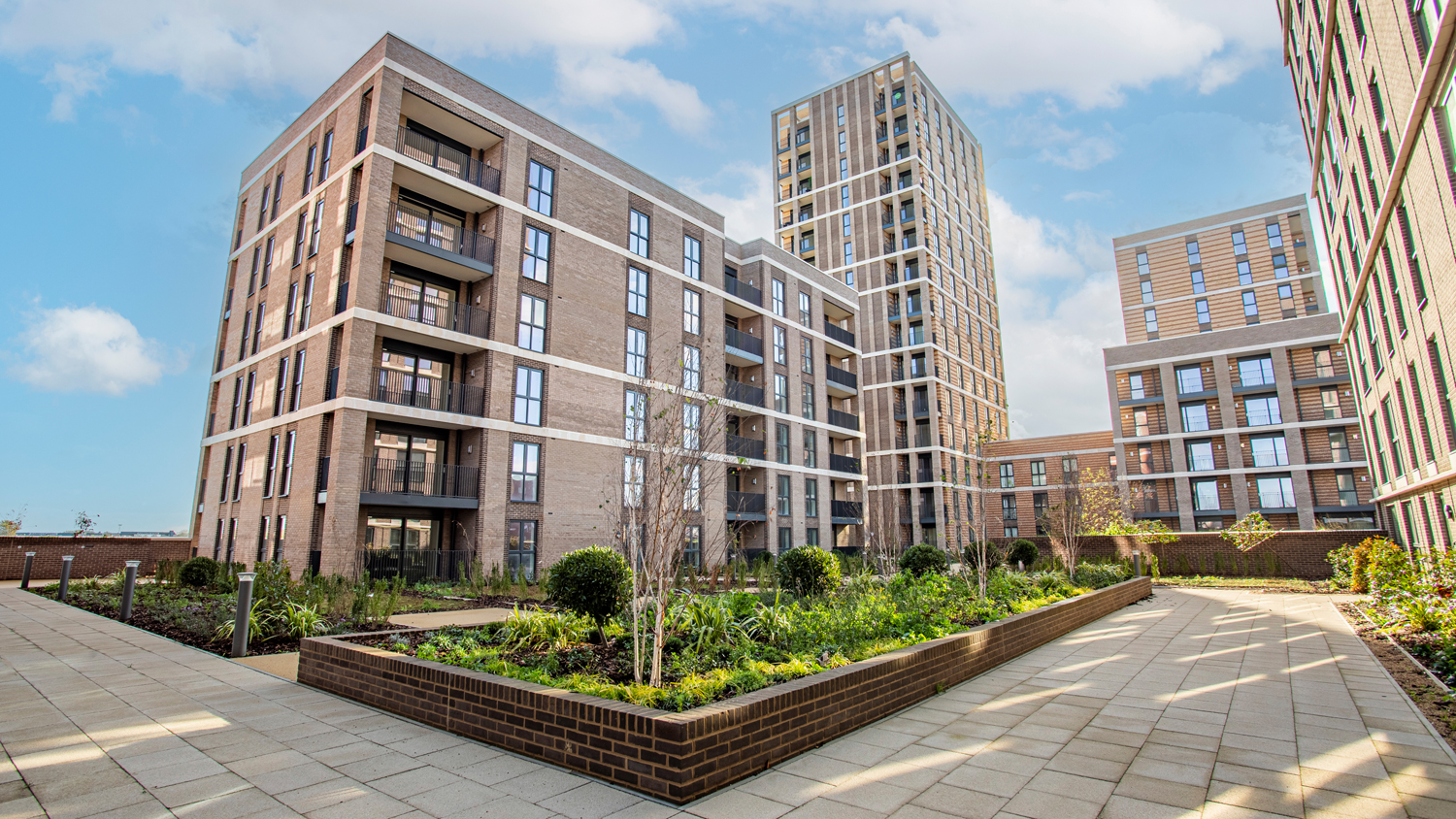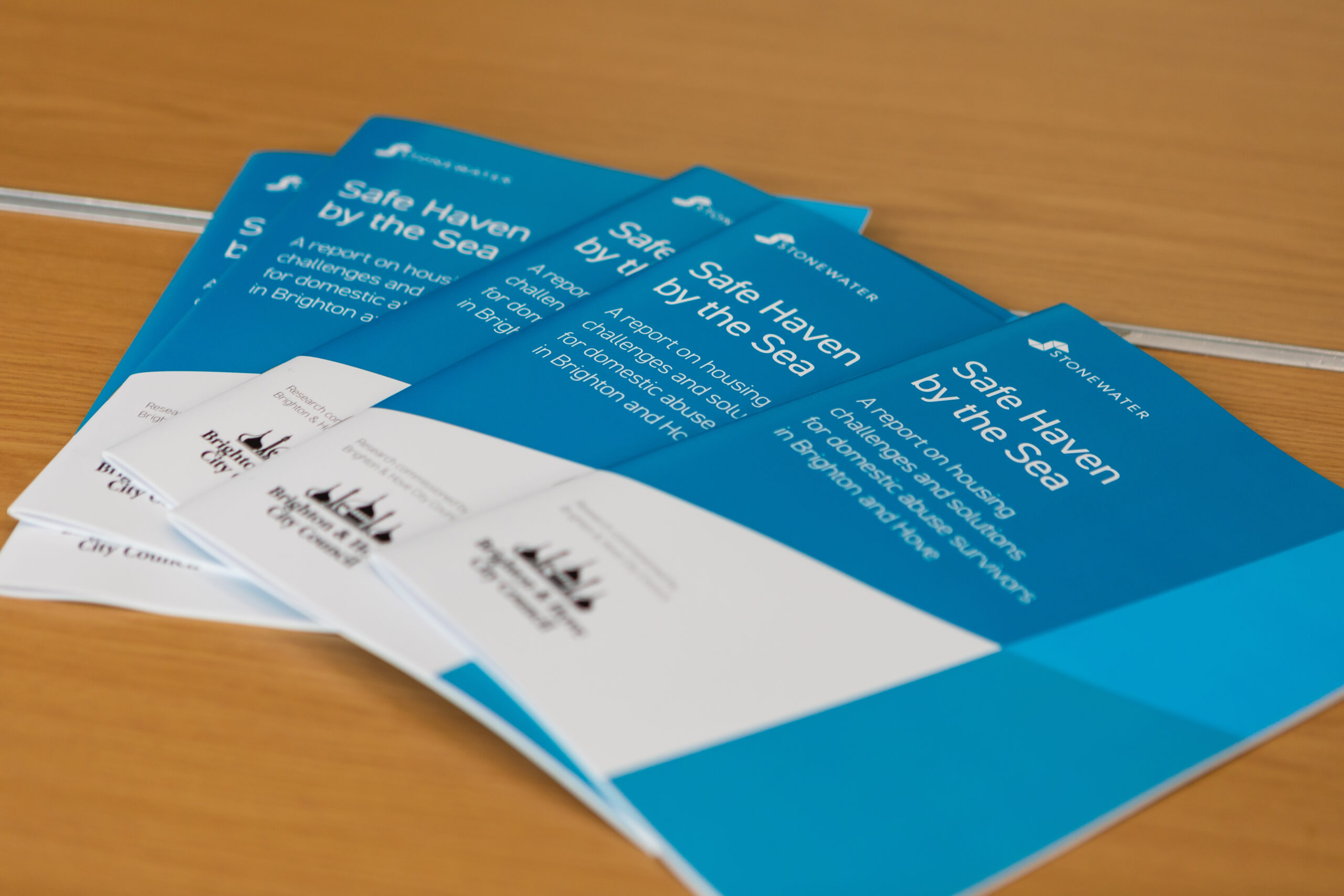

Thousands of multi-storey residential buildings require disruptive remediation work to fix safety problems identified in the wake of the Grenfell Tower fire, writes Jenny Preece.
Aside from the scale of activities taking place around the country, what sets this work apart from other large building projects is that homes will often remain occupied through the course of the work. The merging of ‘home’ and ‘building site’ inevitably results in tension because of differences in needs, expectations and cultures.
When we carried out research in 2022 with leaseholders in England who were living in buildings undergoing remediation, it quickly became clear that there had been very little consideration within the remediation process of what it was actually like to live through the work. The key problems experienced during remediation can be summarised as:
- There was insufficient information about the lines of responsibility for remediation, the work being carried out, when different types of work would be carried out and what the likely impact would be. In advance of work starting, few people had the opportunity to discuss the work, how it may impact them and what could be done to mitigate these impacts
- Remediation work had a range of negative impacts, arising from noise, loss of light from scaffolding and plastic wrapping or netting, loss of ventilation, and extremes of heat and cold. The presence of contractors directly outside windows and on balconies also intruded on people’s sense of home as a private and controllable sphere
- Contractor behaviour suggested that there was a lack of awareness that work was being carried out on occupied homes, and limited attempts were made to adjust behaviour to this context. Avoidable noise, contractors staring into people’s homes, and rubbish being left around homes were relatively common experiences. There were gendered impacts, with women reporting more concerns about feeling unsafe at home
- Participants often described communication with other parties involved in building remediation in terms of a fight, struggle or battle. There are often multiple stakeholders involved in buildings, but many interviewees described negative experiences, such as: being unable to get answers to reasonable questions; being ignored; or being dismissed as a nuisance. Some communication problems would be resolved by improving the involvement of individuals in the planning and process of remediation. During works, there was particular demand for more frequent and detailed information about what type of work was being carried out, in which part of the buildings and when. This may enable occupants to plan to mitigate some of the disruption, particularly related to noise.
Our fundamental conclusion was that there had been little attention to the lived experience of remediation, that leaseholders weren’t viewed as being important stakeholders in the planning or conduct of remediation, and that the experiences of occupants was largely absent as a consideration in decision-making.
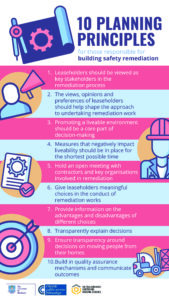
We produced a series of recommendations from the research for people involved in managing remediation. These are briefly summarised below:
- Involvement and liveability in planning remediation – leaseholders should be recognised as key stakeholders in remediation, with their views, opinions and preferences helping to shape the approach.
- Consultation and choice – leaseholders should be given meaningful choices relating to the conduct of remediation works and the materials used.
- Communication – a communications plan should set out responsibilities and expectations around communication between different parties and leaseholders.
- Daily working practices for those working on-site – all individuals working on-site should be mindful of working on occupied buildings, making adjustments to working behaviour.
- Assurance – quality assurance mechanisms should be built into remediation projects, with outcomes communicated to leaseholders.
 .
. 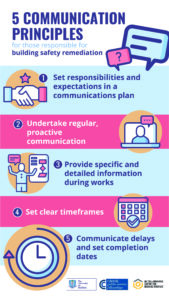
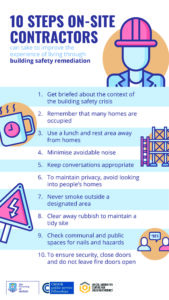
Promoting a liveable environment and mitigating the negative impacts of works should be a clear priority for those responsible for managing remediation in occupied homes. This includes more frequent and detailed information about what work is taking place, to help people to anticipate disruption and minimise the negative impact. Many contractors will be more familiar with working on empty buildings during construction or refurbishment. This means it’s particularly important for contractors working on-site to be briefed about the building safety context, and the measures that can be taken to minimise disruption for those living through works. Small changes like eating and chatting away from homes, being mindful of language, minimising noise, respecting privacy and tidying up each day can make a real difference for people, because it shows some understanding of the dual nature of these spaces as both work site and home.
Following the research, the Department for Levelling Up, Housing and Communities worked to further understand residents’ experiences in remediation. This has resulted in a Code of Practice setting expectations in relation to the remediation of occupied buildings. Anyone involved in remediation should familiarise themselves with the code and plan for its implementation – projects are expected to inform and engage with residents and mitigate the impacts of remediation on residents’ lives. Residents should expect:
- To know who’s responsible for remediation, and the different people/organisations involved
- To be able to meet those responsible for the project before it starts
- Those responsible for the project to take reasonable steps to understand and take account of any specific needs
- To know how to ask questions and have the opportunity to input into decision-making where it’s appropriate and possible
- To receive regular communications about the project and its progress, and to be informed if things change
- To expect steps to be taken to reduce disruption, including:
- Being made aware of particularly noisy works in advance, with noise reduced where possible
- If building covering is used, this should be netting. If something else is used, residents should be told why and how long for
- That where scaffolding or alternatives are required, residents should be told why and how long for, with disruption reduced where possible
- That residents and their homes are respected, with safe access maintained
- Use of shared facilities and amenities is continued where possible.
Taken together, it’s clear that there’s an urgent need to build awareness of the negative impacts of living through remediation works and the ways in which this can be minimised. Whilst it’s not possible to completely remove the challenges associated with long-term and intrusive building works, the research and the Code of Practice highlight that there are basic, reasonable, practical steps that can be taken to make the process easier and disrupt some of the most detrimental impacts. These are measures that any of us would expect to be taken at a minimum, and start from a willingness to engage with the needs and lived experience of residents.
Dr Jenny Preece is a lecturer at the University of Sheffield
Funding statement: The research was funded by the Crook Public Service Fellowships at the University of Sheffield and the UK Collaborative Centre for Housing Evidence (ESRC grant number ES/P008852/1).