
Every garden and area of green space matters

By David Garrett,
Head of Knowledge Transfer at sustainable gardening charity Garden Organic, explains how everyone can take small steps to nurture nature
It can be scary switching on the news or the latest nature documentary and hear the words ‘biodiversity loss’ or ‘global wildlife populations plummeting’. You wouldn’t be alone in thinking the problem is too big to make a difference. But there’s hope, and this lies in the 520 thousand hectares of gardens in the UK.
Individually, we can all do our bit to boost biodiversity in the little patches of earth we care for: back gardens, front gardens and balconies. But it’s even more powerful when we join forces.
Together, across the housing sector, the positive impact we can make on biodiversity levels is huge. Think not only about gardens but also the green spaces dotted around your estates. Do they offer any value for biodiversity and for the residents that live close to them?
Rather than see them as a costly burden to maintain and mow, consider how these spaces could become an asset. Capitalising on the potential of green spaces could improve the look and feel of neighbourhoods, bring people together, benefit physical and mental health – and increase biodiversity and nature connectedness.
Supporting the community to make a change
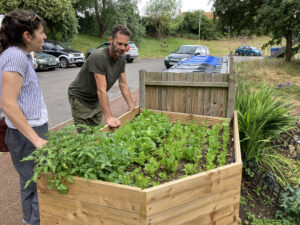
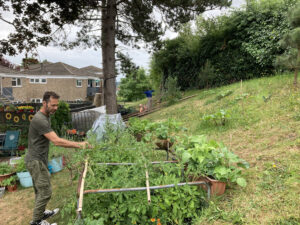
I’ve seen lots of fantastic examples in housing associations around the UK, but the best are often led by the community. I met a resident that lived in a first-floor maisonette who was eager not to let the lack of outdoor space become a barrier. He slowly built up the confidence to make the most of the green space on his doorstep. First, it was the stairwell, then a slope opposite to his flat; next, the bin store; and then in various pockets around the property. He was nervous that other residents or the housing association might oppose his efforts – however, it welcomed his input and his initiative led to growing advice being shared with neighbours and many others deciding to do the same.
I’d encourage housing associations to work with tenants to offer advice for maintaining their gardens, and support them to engage with their green spaces when they first move in. Nature walks can be a fantastic way of engaging residents and an opportunity to explain what species of trees are growing, when particular plants will flower, and could even lead to nature recording. The hook could focus on particular wildlife – for example, hedgehogs – bringing people together to identify how they can create safe corridors, with access to small ponds and gaps under fences.
 Efforts to support biodiversity don’t need to be expensive, especially when you collaborate with others and draw upon expertise from organisations with experience in these fields.
In partnership with Flagship Group, we’ve recently sent out growing packs for tenants moving into new build properties. Packs include advice as well as a range of seeds, which we’re encouraging tenants to grow and share at plant swaps.
By approaching gardens and green spaces in a positive manner and regarding them as an asset, I honestly believe that across the housing sector we can facilitate significant environmental and social benefits.
We run a ‘Growing Buddies’ scheme that partners with housing associations and councils to engage residents in developing growing clubs so they can create sustainable gardens. Visit gardenorganic.org.uk/growing-buddies or call 024 7630 3517 to find out more.
Four steps to make your green spaces matter
Step 1: Avoid using harmful chemicals
To save wildlife and preserve biodiversity, estates maintenance must ditch toxic pesticides and weedkillers. Many of these harmful chemicals can have a devastating effect on bees and other pollinators and toxic weedkillers leave a residue in soil. Instead, manage ‘pests’ in a more environmentally-friendly way by regular checking, removing infected foliage, picking off pests or using a jet of water to dislodge them. Other handy techniques include transplanting seedlings in early summer when they’re strong enough to resist attack from aphids, which are at their peak in high summer, and create physical barriers using fine eco-netting. Choosing the right plant for the right place is important so the plant is suited to local growing conditions and isn’t put under stress. Mulches and green manures can improve plant health, which stops pests taking hold so readily, and leaving some patches wild can attract an array of beneficial insects, such as hoverflies and ladybirds, who will eat the aphids.
Step 2: Encourage biodiversity
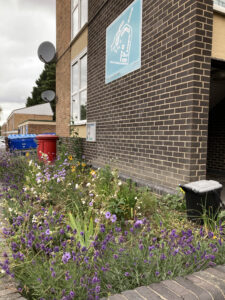 Plant as wide a range of flowers, shrubs, trees and vegetables as possible, which flower across the year to provide prolonged food for beneficial pollinators. A diverse range of structures and habitats, such as small ponds, wood piles, banks and hedges, will provide homes, shelter and food for wildlife. These structures don’t have to be large – a small bug hotel can be made in a hanging basket or in a tin, and stuffed with pinecones, straw, cardboard and twigs. A pond can still be valuable even if it’s the size of a small bowl.
Step 3: Build and maintain good soil health
Encourage residents to create homemade compost to use in their gardens or donate to estate maintenance. Growing green manures over winter and avoiding excess digging can also help to recycle nutrients and create a healthy living soil that’s teeming with life.
Step 4: Use resources responsibly
Wherever possible, estates teams and tenants could be encouraged to use natural resources such as wood and plant-based material rather than plastic, and source them locally to reduce miles travelled. Encourage tenants to capture rainwater and collect run-off from roofs, by utilising water butts and green roofs above bin sheds or bicycle stores.