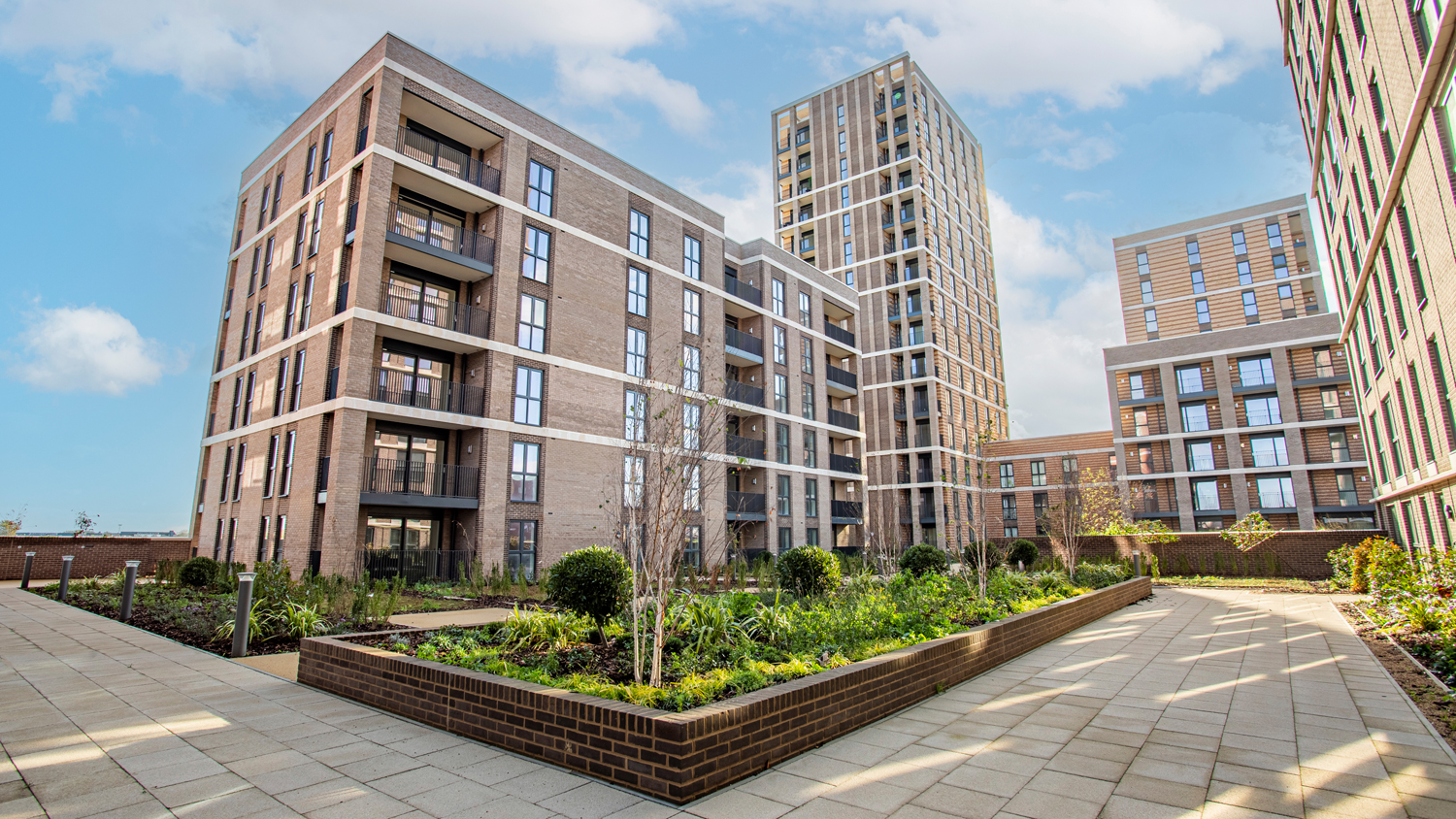

A fascinating study from Taiwan considers the island’s very new social housing policies, and how community building can be enhanced.
Researchers outline the approach to Taiwan’s social housing, almost all of which has been built in the last decade. The programme is government-driven, with local authorities doing the construction and contracting the management to outside firms. Though influenced by social housing in the Netherlands, the approach is ‘hardware’ first, they say – the focus is on getting the housing built and the tenants living there.
But more recently there has been a ‘flurry’ of experimentation with a more placeshaping-led approach, where residents are encouraged to become active and participate in the management of their housing.
The local community-driven ideas stemmed from a longstanding approach in Japan, and also from community activism mainly by ethnic minority groups in the USA. A Youth Innovation in Social Housing (YISH) programme was chosen as the vehicle to promote the new approaches.
Throughout, the idea was to foster actions that promote social inclusion. This stands in contrast to the more widespread ‘conditionality’ approach where residents are given responsibilities as a condition of being allocated a home. Here, YISH residents were chosen for the new housing on the basis of their proposals for community projects.
Three types of stakeholders were recruited to support the community placeshaping initiative. The first were initiators, who chose potential YISH teams and worked to develop the landlord and tenant relationship. This began at the planning stage of developments.
Next came the facilitators – planning specialists who worked with potential residents to decide how the YISH initiative would function locally and carry through the development plans. And, finally, there were the placemakers – actually residents whose role was to set up and encourage interest-based clubs, special services for vulnerable or older people, social media channels and so on, in line with the proposals they had made. The aim was for residents to take an active role in shaping their neighbourhood and what happened in it.
The researchers conclude that a placeshaping approach can strongly mitigate the potential problems of a fast-paced social housing construction programme that’s ‘hardware led’. The new approach promotes social inclusion and can help to overcome the stigma associated with social housing, they find.
Beyond Conditionality: Community Placemaking in Taiwanese Social Housing Management
Hsinko Cinco Yu, Tsai-Hung Lin & Marcin Dabrowski