
 Casey Dawkins, University of Maryland
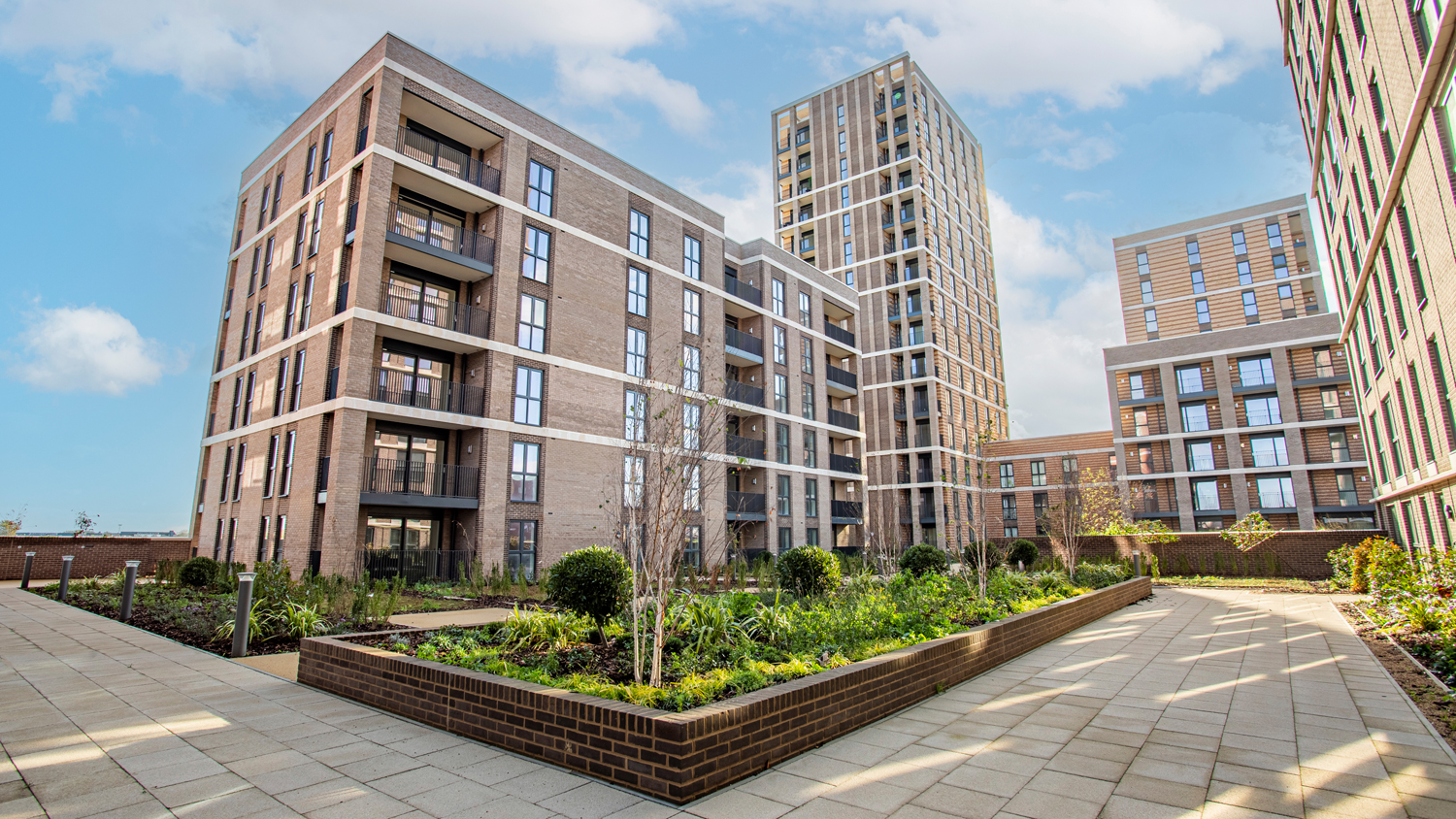
As capital travels the globe, it often lands in historically disinvested urban neighbourhoods, and when conditions are ripe, fuels a process of reinvestment and neighbourhood change dubbed “gentrification” by the British sociologist Ruth Glass.
Proponents argue that gentrification isn’t only inevitable, given the scarcity of developable land within most urban cores, it’s desirable, as reinvestment brings neighbourhood amenities, jobs, residents and a tax base to gentrifying neighbourhoods. Opponents of gentrification decry the displacement of low-income residents and people of colour, the destruction of neighbourhood social fabric, the erosion of the incumbent population’s political base, and the obliteration of the local culture. Most acknowledge that gentrification is a complex phenomenon, and has benefits and costs, but is it unjust? In other words, do those harmed by gentrification have legitimate claims to some form of redress?
Forms of injustice
In On the Injustices of Gentrification, recently published in the journal Housing, Theory and Society (2023; 40,3; pp. 261-281) I address this question and identify eight distinct forms of injustice that have been linked to gentrification:
- Deprivation is the reduction in well-being that low-income renters face when forced to either stay and pay higher rents or move to a less desirable neighbourhood
- Estrangement is what happens when those who are displaced from gentrifying neighbourhoods become separated from the social and psychological attachments that give life meaning
- Erasure is the loss of a distinctive local culture and oeuvre that follows the out-migration of the neighbourhood’s incumbent population and the disappearance of important neighbourhood social and cultural institutions
- Domination occurs when a person or group is no longer able to freely pursue life plans without the arbitrarily given approval of others. Those rendered homeless by gentrification experience domination when all neighbourhood space is owned by someone else with the power to exclude and dictate the terms of existence for those without property
- Exploitation is a form of domination in which one agent receives a benefit by taking advantage of another person’s state of vulnerability. For example, landlords in gentrifying neighbourhoods may exploit a renter’s lack of alternative rental options to extract higher rents or force the tenant to accept inadequate housing conditions
- Censure is a form of domination produced by the erosion of an incumbent population’s political power base
- Marginalisation is a state of relative social deprivation. In gentrifying neighbourhoods, changes in the social norms of acceptability may result in the social stigmatisation of incumbent populations facing housing instability or economic precarity
- Disrespect is a violation of the state’s obligation to show equal respect and concern for its citizens. The state shows disrespect when it benefits some at the expense of others without providing a reason that’s acceptable to those who are disadvantaged. For example, large-scale state-supported urban redevelopment projects that destroy neighbourhoods and homes show disrespect to long-term neighbourhood residents who are forced to move.
The first two forms of injustice differ from the others in two ways. First, deprivation and estrangement are experienced by individuals, rather than groups of individuals. Second, both are absolute injustices, meaning that the injustice arises from the absolute level of the harm that’s experienced, irrespective of the level of harm that others experience. Disrespect, in contrast, is a comparative injustice that’s morally concerning because someone receives fewer benefits than others, regardless of the level of the reduced benefit. All other forms of injustice on the list are relational injustices that result from a power asymmetry between individuals or groups that benefits one party at the expense of the other.
How the effects impact people
There are several conclusions to be drawn from this analysis of gentrification-induced injustice. First, those affected by gentrification experience different types of injustices in different ways. Homeowners and property owners enjoy increases in real equity as property values rise, while renters bear the burden of higher housing costs. The injustice of erasure affects all who identify with the lost culture, while estrangement only affects those who are displaced from a gentrifying neighbourhood. Gentrification opponents often assume that displacement is intrinsically unjust, but I argue that displacement is instrumentally unjust to the extent that it produces one of the eight forms of injustice that I’ve identified. This understanding of displacement opens the door to the possibility that displacement affects not only those who are displaced but also those who remain in the neighbourhood, particularly if displacement results in erasure or censure.
Second, the question of whether a particular experience of gentrification is unjust or not depends, in part, on the conception of justice that one endorses. For example, group-based harms such as erasure and censure may or may not be considered unjust according to individualist accounts of justice that disavow collective moral claims. The multiplicity of forms of injustice and agents affected suggests that a single conception of justice is unlikely to offer a complete account of every form of injustice that gentrification produces.
Despite the plural and contested nature of gentrification-induced injustice, domination is a component or contributor to several forms of injustice, including exploitation, censure and, arguably, marginalisation. The importance of domination suggests that conceptions of justice that highlight the role of domination, such as relational egalitarianism and civic republicanism, are likely more capable of providing a capacious account of gentrification-induced injustice than others.
Responsiblities of state
A final conclusion is that the state and its agents bear the ultimate responsibility for rectifying the injustices caused by gentrification. Although landlords and property owners may benefit from gentrification, state policies and the state’s endorsement of property laws that reward land speculation enable property owners to reap windfall gains from holding onto property until the tide of capital flows rewards reinvestment.
How can state actors be held responsible for the injustices of gentrification? The human right to housing under international law provides one powerful tool. The International Covenant on Economic, Social, and Cultural Rights (ICESCR) enumerates the right to housing in Article 11(1) as “the right of everyone to an adequate standard of living for himself and his family, including adequate food, clothing and housing, and to the continuous improvement of living conditions”. The Committee on Economic, Social and Cultural Rights has subsequently interpreted this right to include the legal security of tenure and protections against forced evictions. Nations that have signed and ratified the ICESCR are required to take steps to progressively realise the human right to housing.
Towards justice
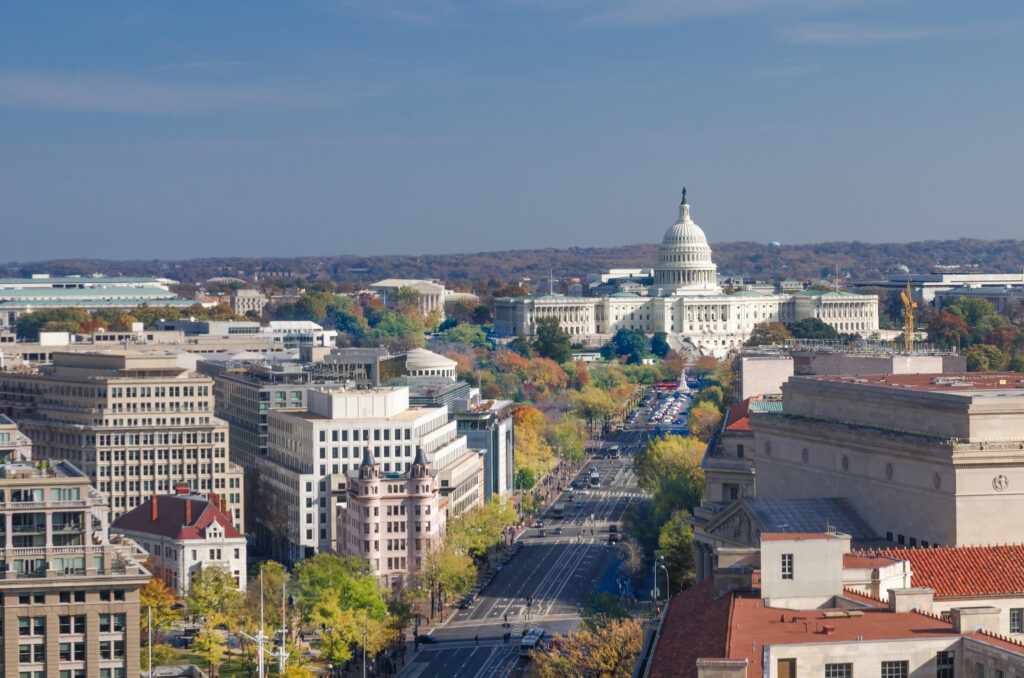
In many cities experiencing gentrification pressures, local government has taken aggressive actions to reduce the risk of displacement. In the US capital city of Washington, DC, for example, several anti-gentrification laws were passed in the 1970s to prevent the displacement of the city’s predominantly African American population. In 1978, D.C. imposed an anti-speculation tax designed to discourage the ‘flipping’ of residential properties. Two years later, the city also passed the Tenant Opportunity to Purchase Act, which granted tenants the right of first refusal to collectively purchase apartment buildings being offered for sale on the private market. Policies such can help to course-correct markets towards the path of justice.
Casey J Dawkins is Professor in the Urban Studies and Planning Program at the University of Maryland, USA