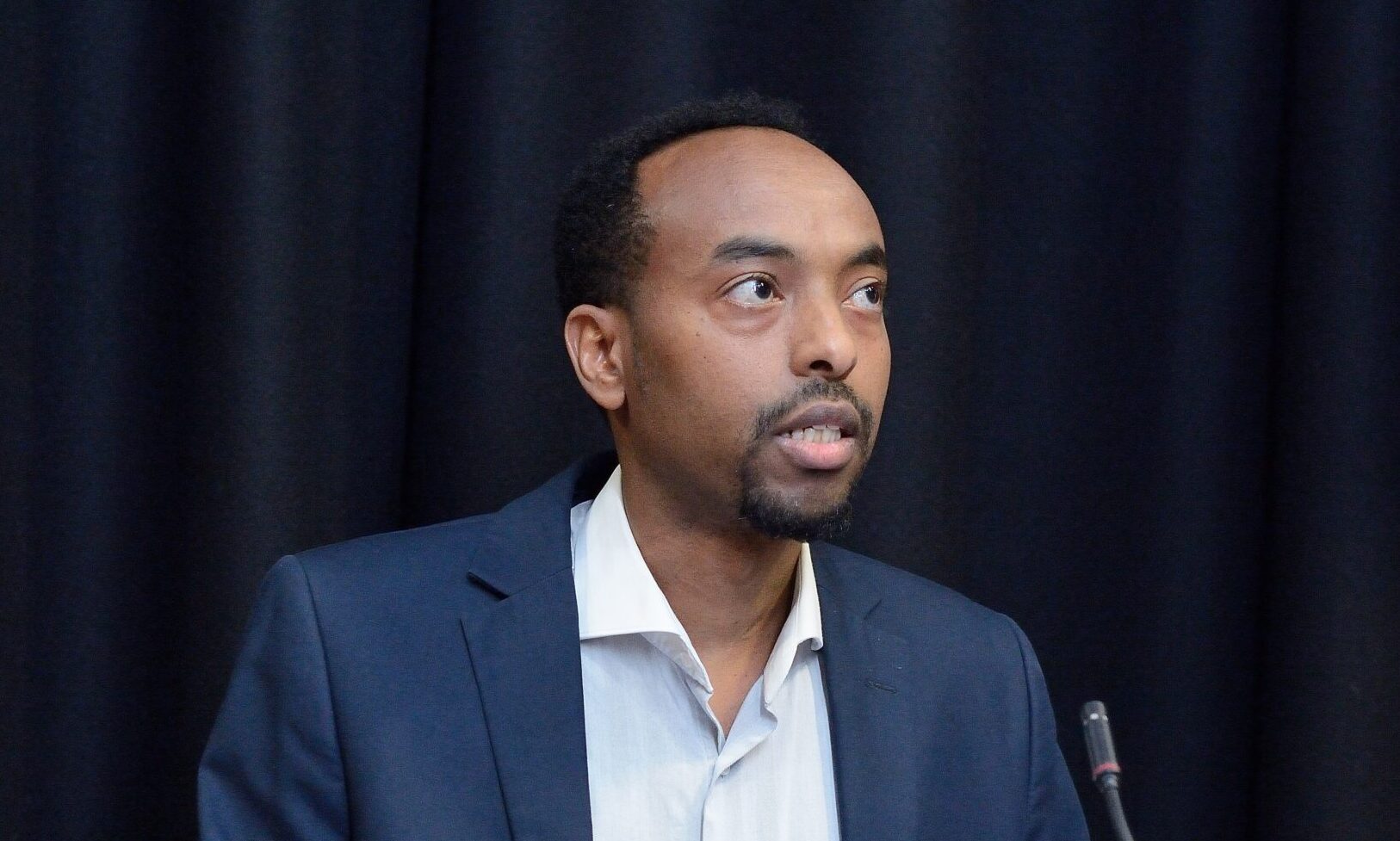

 By Fuad Mahamed, CEO and Founder of refugee and migrant provider, ACH
‘Hard to reach’ is a phrase I encounter regularly, and one that reveals more about our systems than the people they’re meant to serve. When we describe refugees and migrants this way, we’re locating the problem in the individual rather than the service.
Newly arrived people are highly motivated to access housing, employment, education and healthcare. However, many systems assume a level of familiarity with UK institutions, language, technology and bureaucracy that they simply don’t yet have.
Design barriers
Common obstacles include complex housing application processes, digital-first systems that assume device access and digital literacy, services requiring extensive documentation or a UK credit history, and fragmented support pathways where housing, employment, health and welfare operate in silos. Standardised approaches that take no account of trauma, displacement or cultural difference further compound these barriers.
Years of austerity have also left their mark. Under pressure to manage high demand with limited resources, services have defaulted to efficiency and standardisation over personalised support.
Most public systems weren’t designed with forced migration and meaningful resettlement in mind. Funding and commissioning cycles reward outputs over outcomes, incentivising volume rather than quality. Risk-averse institutional cultures default to standardised processes because flexibility is seen as administratively difficult to audit. And a persistent lack of diverse representation in service design means the lived experience of refugees and migrants is rarely reflected.
Until services are built from the outset with displaced people in mind, they’ll continue to exclude the very groups they’re intended to support.
Information gap
New arrivals also face significant challenges in accessing the information they need. Housing rights, the social housing system, welfare and benefits, employment rights, healthcare registration, education and training are all critical, yet frequently inaccessible.
The problem is rarely that information doesn’t exist. It’s that it’s only available in English, written in technical or bureaucratic language, spread across multiple agencies and websites, and not delivered through trusted channels.
Integrated support
Contrary to popular belief, effective, culturally-informed support isn’t simply about translation. It’s about understanding the wider context of someone’s experience, i.e. housing stability, physical and mental health, employment and skills, financial inclusion and community connection. Housing is one part of the journey, not the destination.
Combining accommodation with integration services supports people towards achieving long-term independence. We work with residents from the moment they arrive, helping them access services, build skills, secure employment and ultimately move into sustainable housing. More than half of our employees have lived experience of migration, which creates the trust and credibility that relationship-based working requires.
The impact of this integrated model is measurable. We’ve supported more than 1,500 people to find housing, more than 650 people through training and education, and more than 300 entrepreneurs and business owners. When housing is combined with wraparound integration services, the result isn’t simply accommodation provision, it’s the catalyst for long-term social and economic inclusion.
Person-centred approach
The most important shift the social housing sector could make is to treat housing as the starting point for integration. Too often, housing is treated as a standalone transaction, e.g. provide a room, collect the rent and move on.
For refugees and migrants, housing stability is deeply connected to employment, language, health and community participation. We cannot measure success on tenancy sustainment alone.
This change is entirely achievable. What’s needed is greater collaboration between housing providers, local authorities, commissioners and integration specialists, and a willingness to embed person-centred approaches systematically rather than treating them as exceptional.
Commissioners need to require and reward cultural competency. Organisations need to invest in staff with lived experience and give them genuine opportunities to progress. And all of us need to move from designing services for communities to designing them with communities.