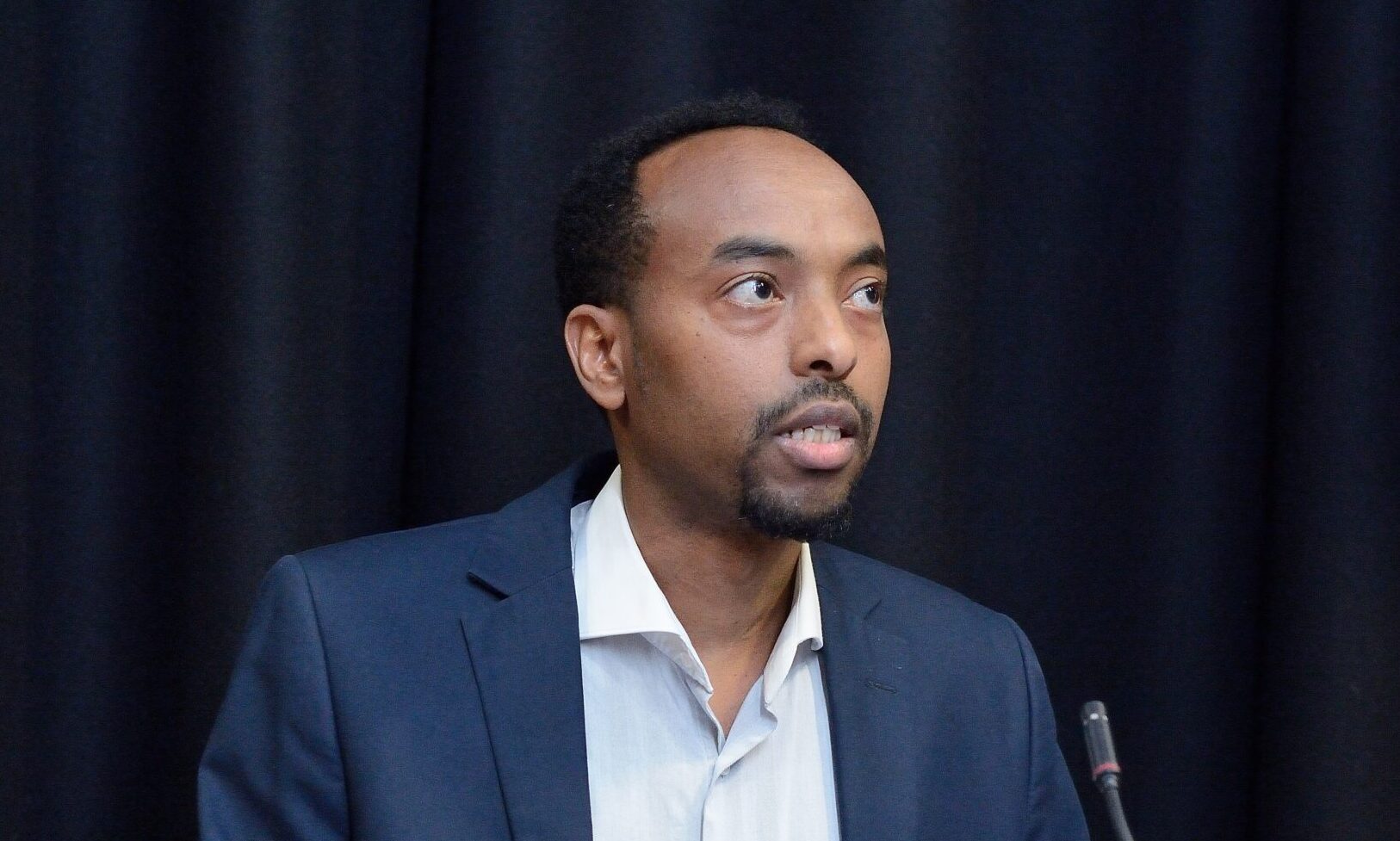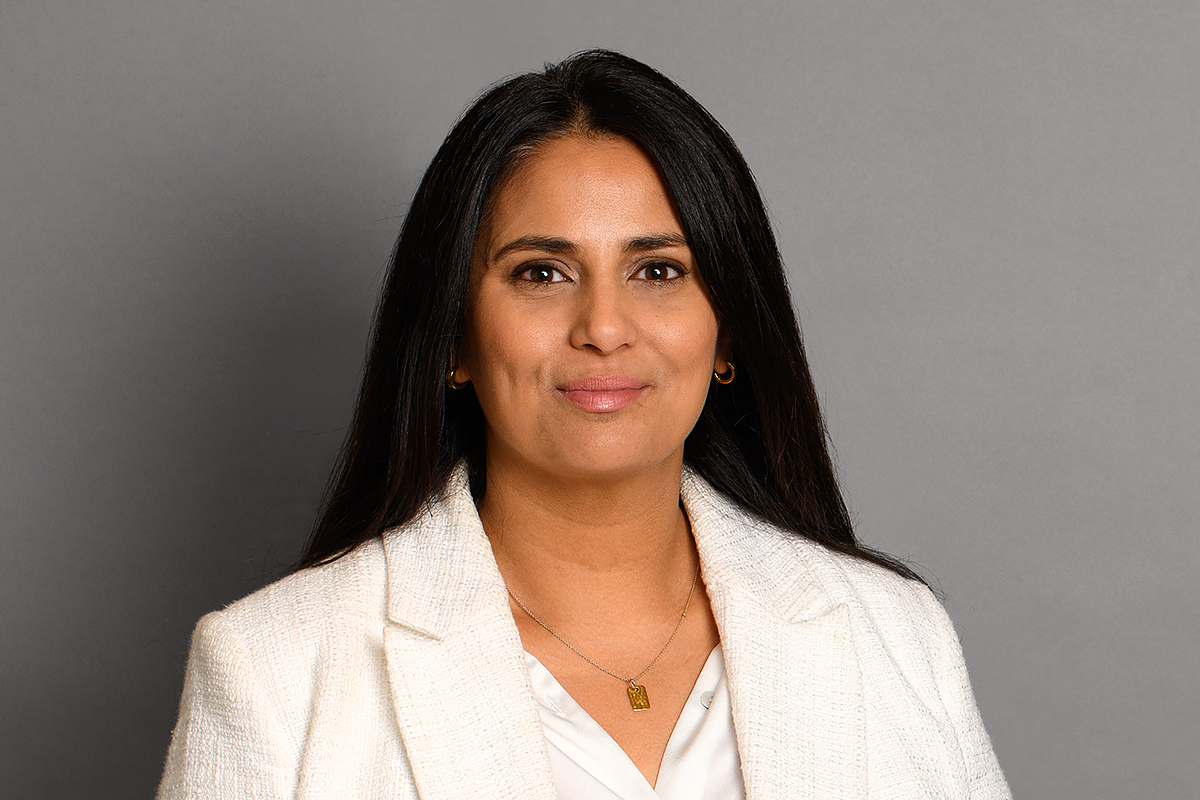

 Kehinde Adeogun, Director of Legal Services and Policy at the Black Equity Organisation
The Black Equity Organisation is a Black-led civil rights charity that launched in 2022, as the UK’s first national, independent civil rights organisation. Our mission is to promote economic, legal, social and political equity for Black communities in Britain in order to ensure equal opportunity for progress and prosperity.
We commissioned the report Homes Lost, Lives Shattered, because it was evident to us that there had been little to no focus on the impact the Windrush scandal had on the housing situations of those caught up in it. The hostile environment policies that were started in 2014 meant that individuals were denied the right to work, denied the right to rent, denied access to DWP benefits and were as a result forced into homelessness and insecure housing situations through no fault of their own.
What we found from our research was that homelessness issues for Windrush-impacted individuals in private rented, in social housing and those in homeownership weren’t just historic. The impacts are still being felt in 2026.
As well as interviewing impacted individuals and Windrush advisers we made freedom of information requests of 10 London boroughs and 11 city councils to assess the steps they’d taken to identify and support Windrush-impacted individuals who were or had experienced homelessness or insecure housing. We were surprised to find that none of the respondents confirmed that they had in place any policy, procedure or guidance since the scandal broke in 2018 to deal effectively with those whose housing insecurity had been caused by the Windrush scandal.
One of the central recommendations from the research is:
All councils and housing departments should implement mandatory Windrush training and written guidance, funded by central government and monitored by a dedicated Windrush task force in each council. The Equality and Human Rights Commission (EHRC) should oversee compliance and use its enforcement powers where authorities fall short. Guidance should cover how to identify Windrush survivors, understanding why conventional documentation may not exist, how to handle cases where documentation is limited without disadvantaging applications, and training to embed anti-discrimination practice.
Successive governments have apologised for the scandal and said they will “right the wrongs”. The government’s housing policy should include a specific policy on how it intends to right the wrongs of the scandal for Windrush-impacted individuals.
BEO isn’t unaware of the dire straits of the housing situation faced by the government; too many families in temporary accommodation, substandard current housing stock and insufficient new house builds. However, those issues shouldn’t detract from the unique situation Windrush-impacted individuals find themselves in as a result of a harm (homelessness or insecure housing) inflicted upon them by the state.
Our pursuit of the recommendations is based on the belief that the government should take progressive steps to implement the United Nations’ Covenant on Economic Social and Cultural Rights core protection in relation to housing, which states that every person has a right to adequate, safe and secure shelter. That right was shattered for those inadvertently caught up in the Windrush scandal.
The Windrush Commissioner, whose role came as a result of the judicial review BEO was involved in, has set up a Councils Windrush Network. He’s said that “its purpose is simple: to coordinate consistent support for survivors, share what works, build trust, raise awareness in communities, and ensure that every resident receives clear and accessible help”.
We call on all councils to join the Windrush Councils Network. And for all involved in social housing to join with BEO to work on devising and implementing our core recommendation.
Read the report at blackequityorg.com/windrush-legacy
View the Windrush Support Directory at https://blackequityorg.com/windrush-compensation-support-map/